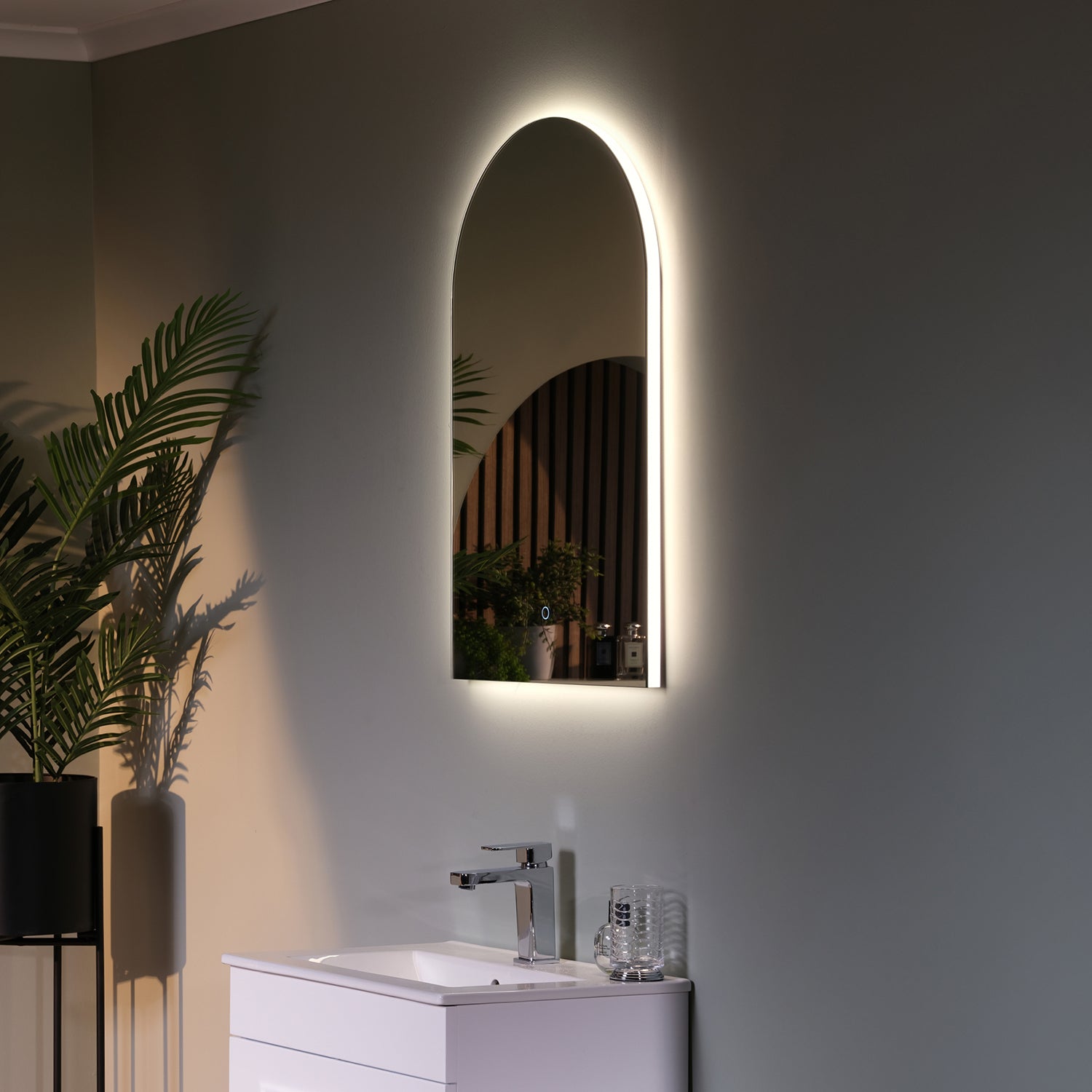
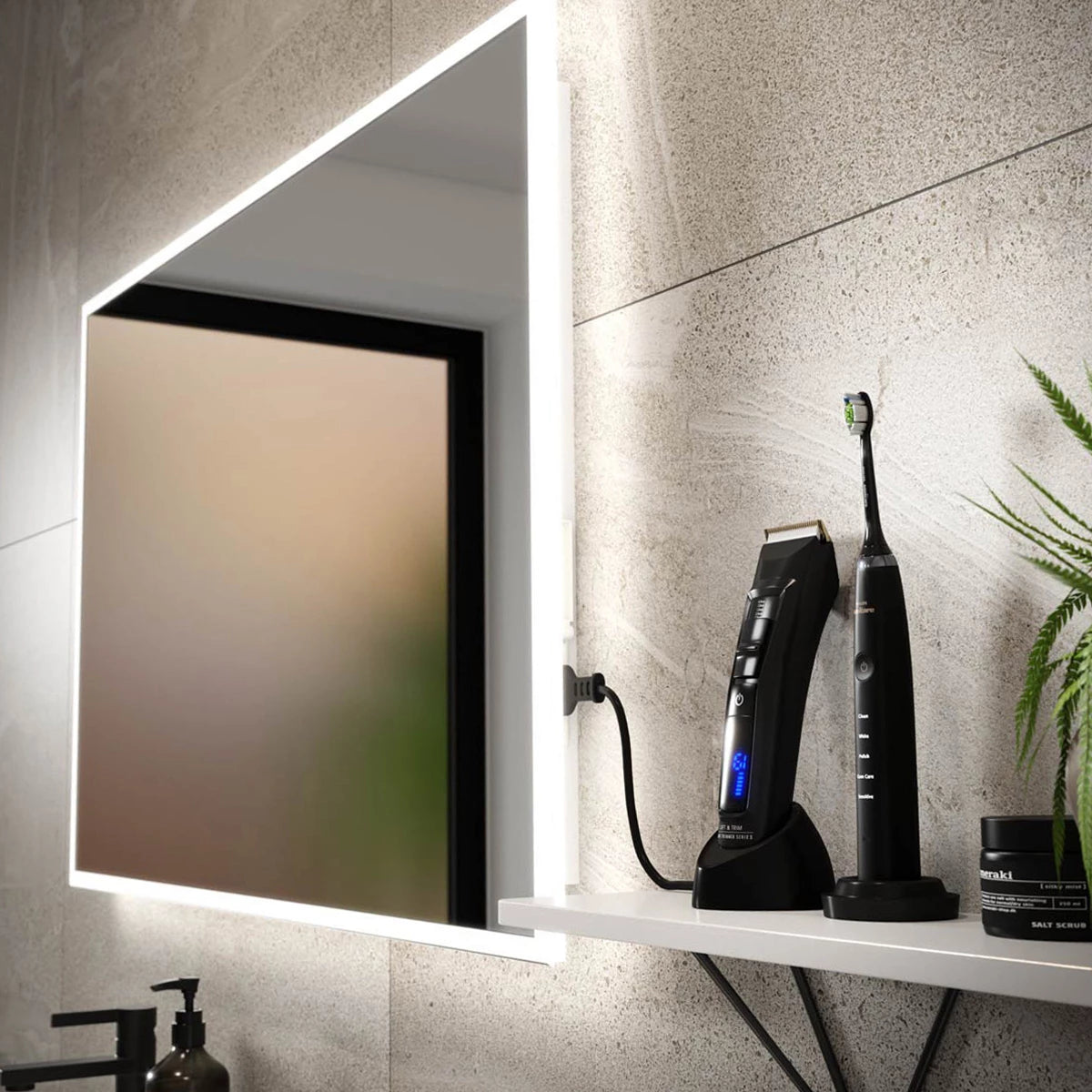
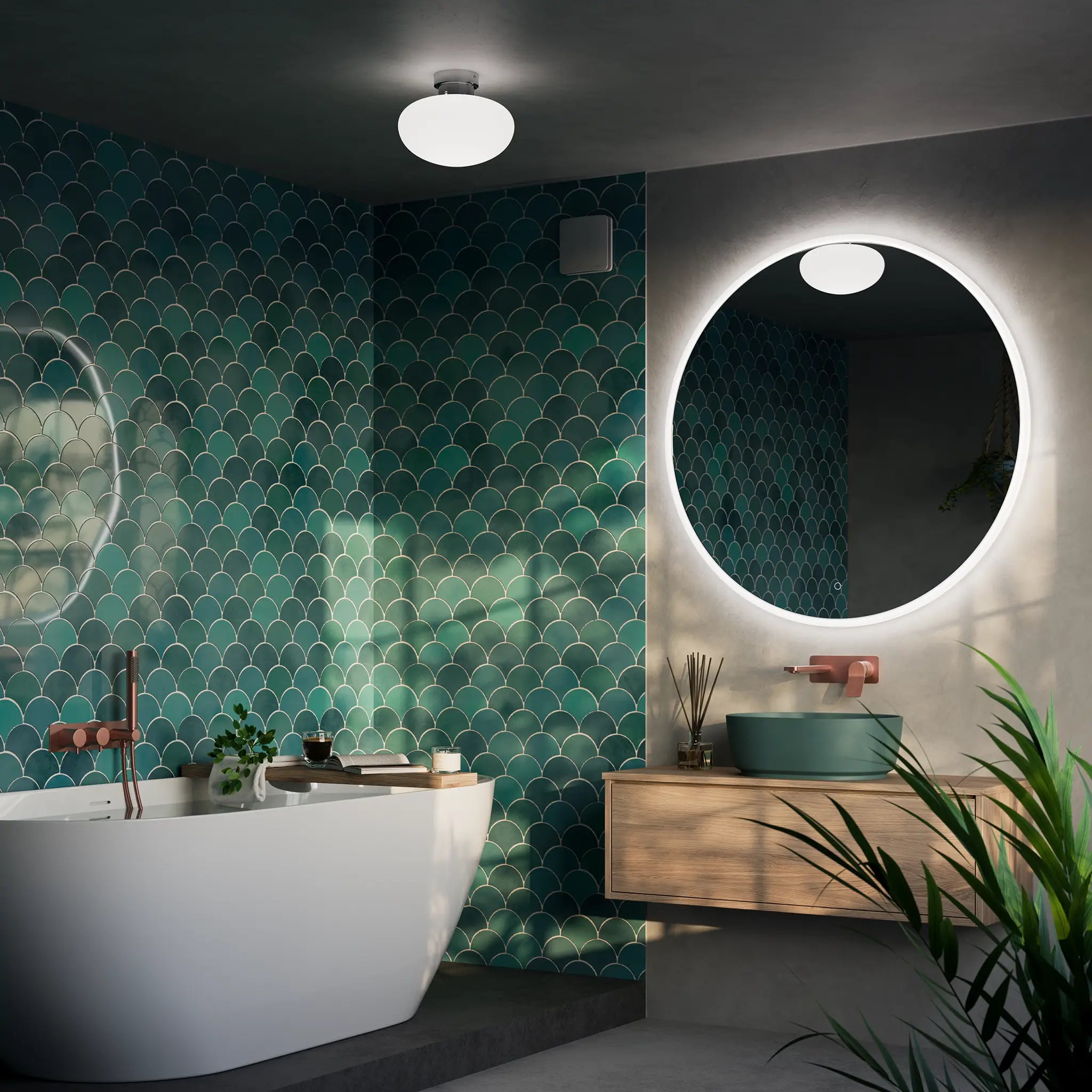
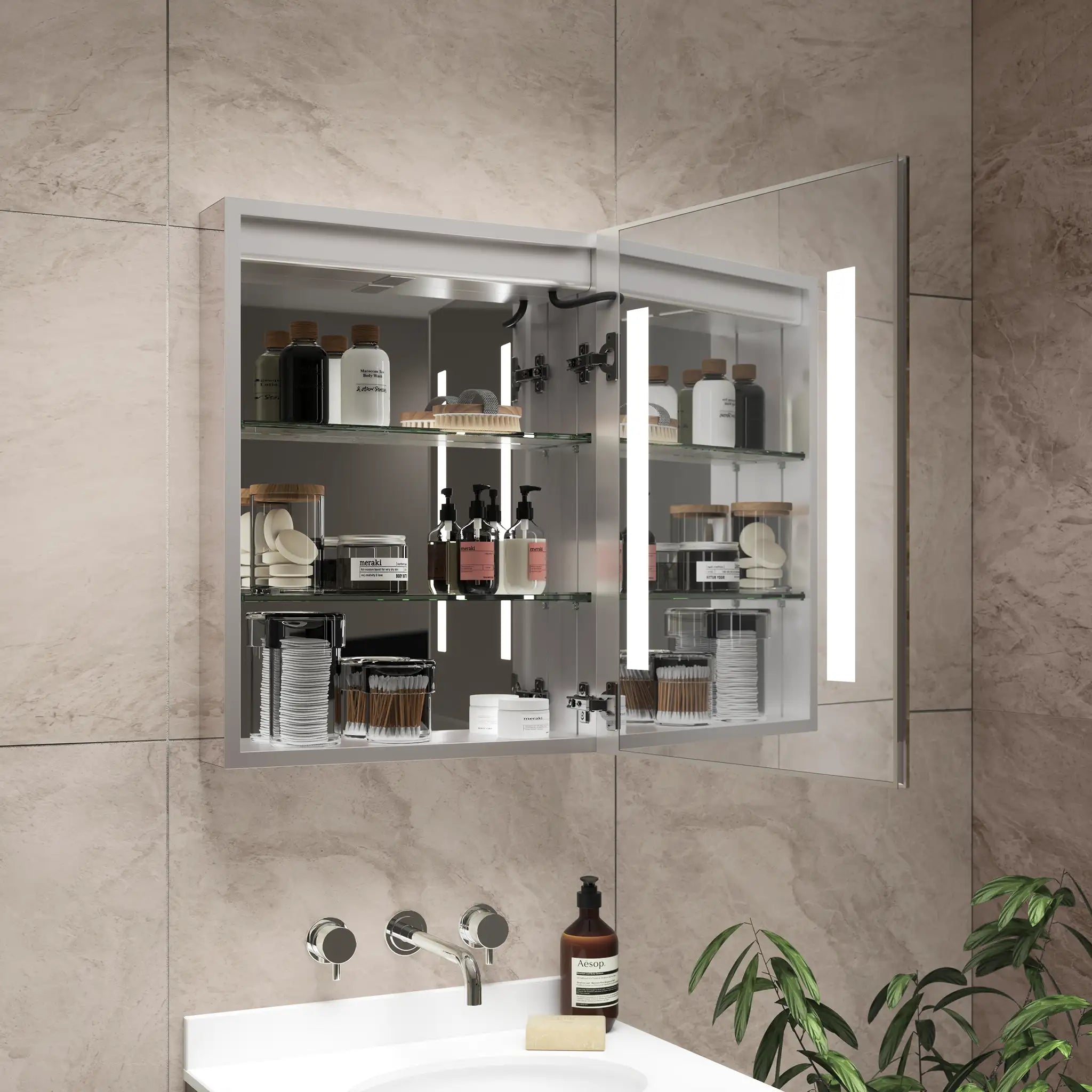

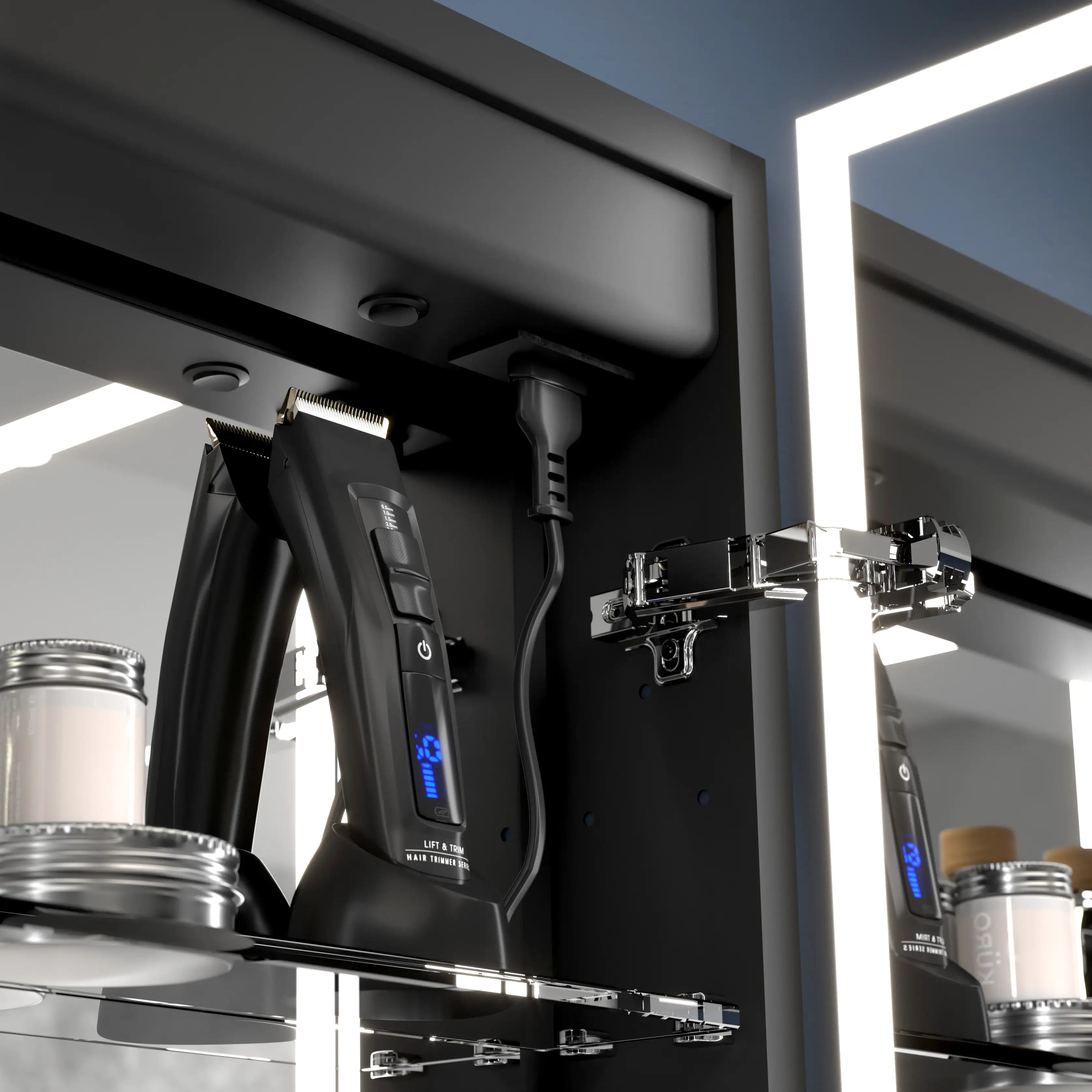



The bathroom has quietly become one of the most interesting rooms in the house when it comes to technology. Mirrors that respond to a wave of your hand, cabinets that play music through concealed speakers, and mirrors that take voice commands from across the room — these are no longer novelties. They're well-made, practical products that a growing number of people are choosing as a straightforward upgrade to their daily routine.
If you've been curious about smart bathroom mirrors but aren't sure what's genuinely useful versus what sounds better in a product description than it performs in real life, this guide is for you.
Motion Sensors: More Practical Than They First Appear
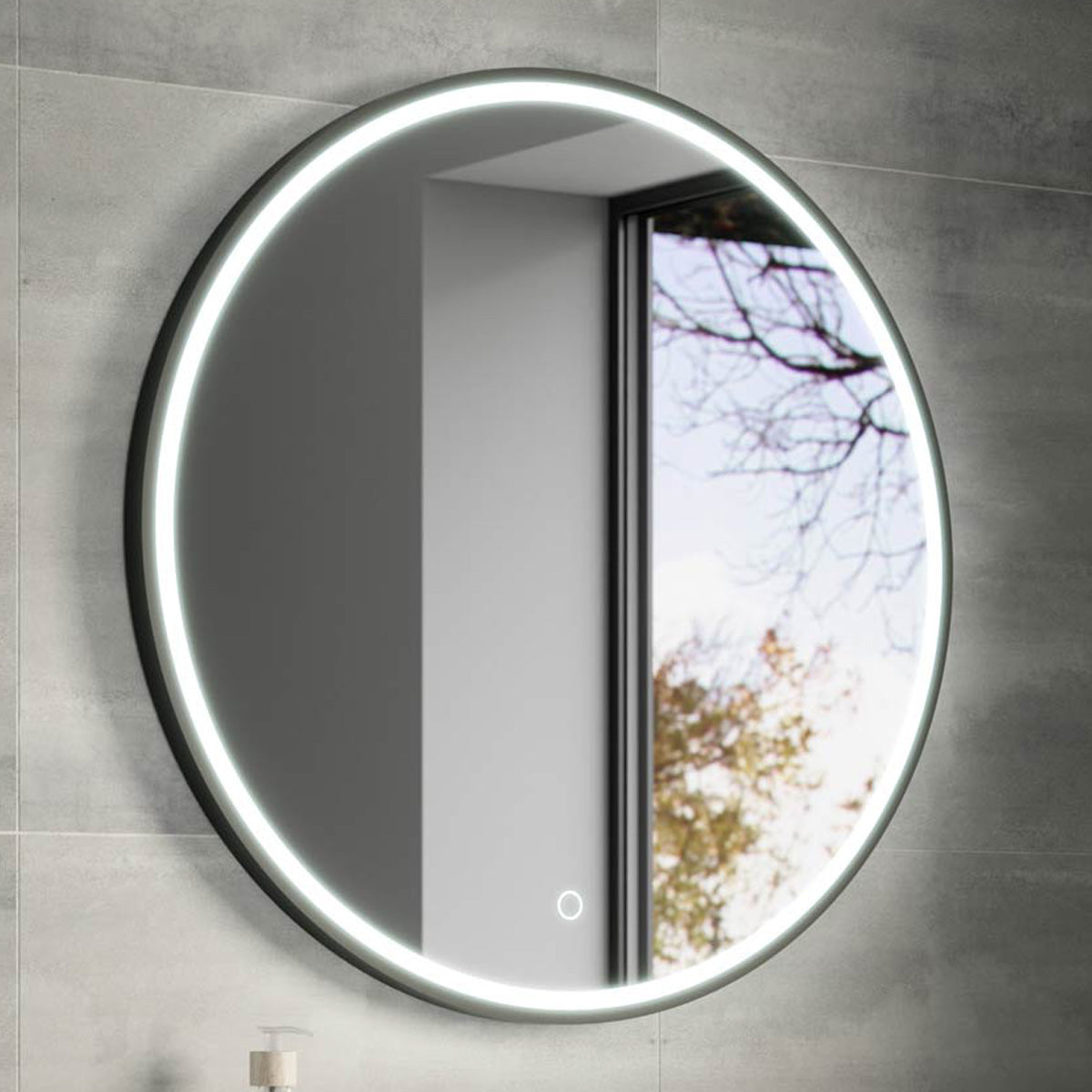
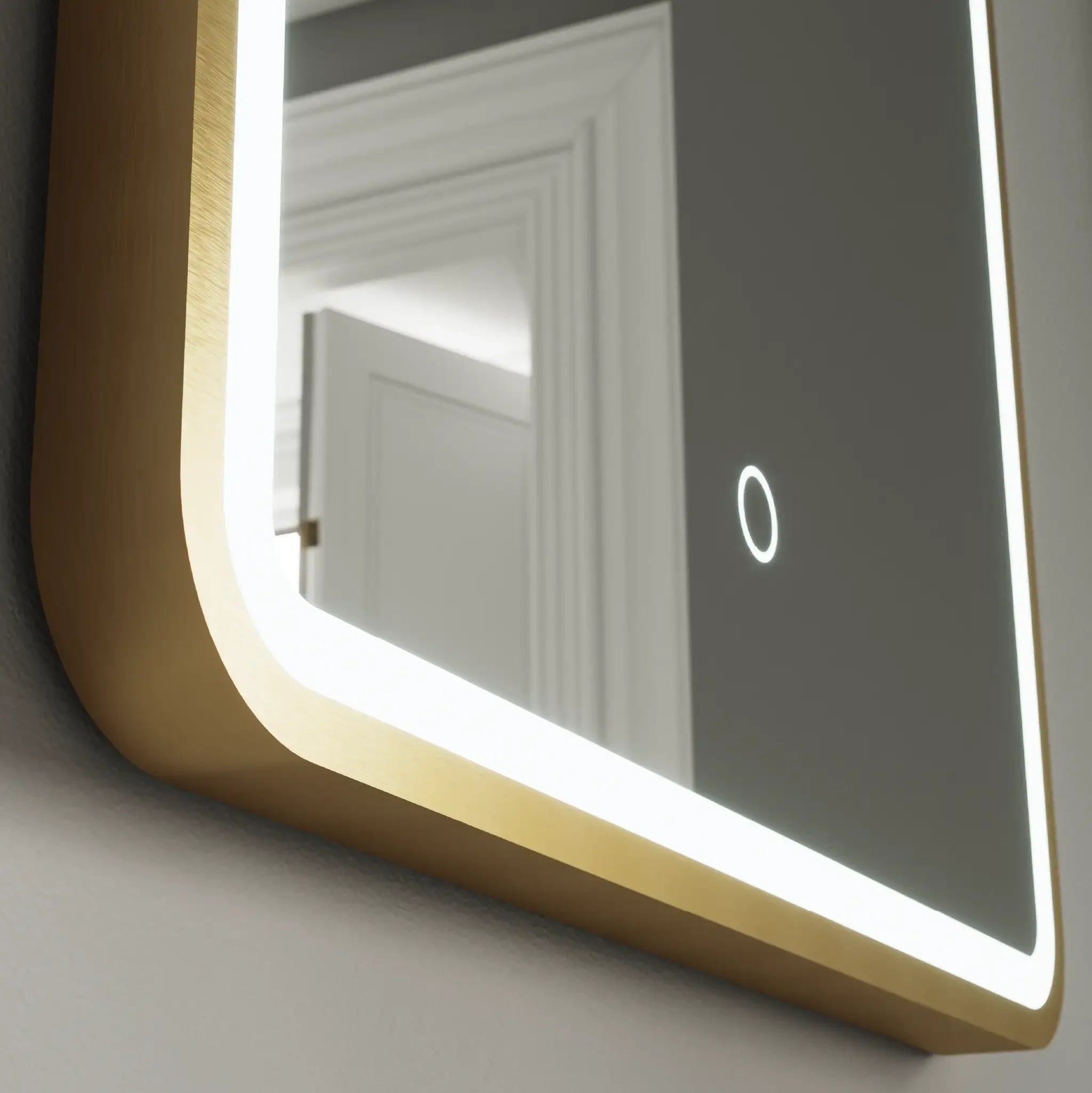
The most common smart feature on illuminated mirrors and cabinets is an infrared motion sensor that activates the lighting with a simple wave of the hand. At first glance this can seem like a solution to a problem that doesn't really exist — how hard is it to press a button?
In practice, though, there are a couple of genuine benefits. The first is hygiene. A contactless activation means there are no fingerprint smudges accumulating on a touch-sensitive panel, which matters more than it sounds in a room that's regularly steamy and where surfaces need frequent cleaning. The second is convenience: in a shared bathroom used by multiple people, particularly one where children are involved, being able to activate the light without hunting for a switch while your hands are full or soapy is a small but real everyday improvement.
Motion sensors are also paired on some models with automatic switch-off — the light turns itself off a few minutes after the last motion is detected. This has an energy-saving benefit, but more practically, it means you'll never leave the bathroom light on again.


Dimmable and Colour-Adjustable Lighting: The Underrated Smart Feature
If you asked most people which smart mirror feature they'd use most often, Alexa integration tends to get the headline. But dimmable and colour-adjustable LED lighting is arguably what makes the biggest practical difference to how good a bathroom mirror actually is.
Standard single-colour LED mirrors emit light at one fixed colour temperature — usually either a cool white or a warm white. That's fine as far as it goes, but it means the mirror is set up for one kind of use, and not necessarily the one you want right now. A bright cool light is excellent for precise tasks like applying makeup or shaving. A warm, softer glow suits a relaxing bath at the end of the day. These are two very different things, and a mirror that can only do one of them is leaving something on the table.
Colour-adjustable mirrors let you move between warm, neutral, and cool white at the touch of a button or sensor. The more advanced models allow you to tune the temperature continuously across the full Kelvin range and dim the brightness independently. The result is a single mirror that works for the 6am school run and the Sunday evening soak alike.


Bluetooth Audio: A Genuine Quality-of-Life Upgrade
Bluetooth-enabled mirrors and cabinets include concealed speakers that pair with your phone or tablet, letting you stream music, podcasts, or radio without placing a separate speaker in a room where it'll collect condensation and take up shelf space.
The audio quality on purpose-built bathroom Bluetooth mirrors has improved significantly. These aren't tinny novelty speakers — the better models produce clear, full sound appropriate for the size of a typical bathroom. Bass response is modest, as you'd expect from speakers set into a flat panel, but for music and spoken content the performance is genuinely satisfying.
Installation is clean too. There are no external cables, no devices to charge, and no speaker sitting in a puddle on the bath edge. It's the kind of feature that, once you've lived with it, you'll find hard to give up.


Voice Control and Smart Home Integration
At the leading edge of bathroom mirror technology is voice control integration. Mirrors with Alexa built in — such as the Luka from Pebble Grey — allow you to control the lighting, play music, get weather updates, set timers, and interact with other smart home devices, all from the mirror itself. You don't need your phone in the bathroom, and you don't need to press anything.
The practical appeal is highest for people who already use Alexa across their home. If your lighting, heating, and music are all voice-controlled in the rest of the house, having that same capability in the bathroom removes the last room where you have to switch modes.
For those not already in the Alexa ecosystem, the other smart features — motion sensing, colour-adjustable LEDs, and Bluetooth audio — are likely to deliver more immediate value.
What to Ask Before You Buy
Smart mirror features require a mains electrical supply in virtually all cases, so battery-powered options are generally excluded from this category. You'll need a wired connection installed by a qualified electrician, which is standard for any illuminated mirror with a shaver socket or demister pad regardless.
Consider which features you'll actually use daily, rather than which ones seem impressive. Motion activation, dimmable lighting, and demisting are the features most people reach for every morning. Bluetooth and voice control are genuine upgrades for those who already live in that world.
Pebble Grey's range of smart mirrors and cabinets spans from motion-sensor models to full Alexa-integrated units, all with the same 10-year guarantee and UK customer service behind them. Explore smart and motion-sensor mirrors or see the full technology range.