





The frame or finish on a bathroom mirror does more than hold the glass in place. It connects the mirror visually to everything else in the room — the taps, the shower fittings, the cabinet hardware, the towel rails — and in doing so, it either ties the bathroom together or creates a subtle friction that's hard to name but easy to feel.
Getting the finish right is less complicated than it might seem, once you understand how each option behaves in a room.
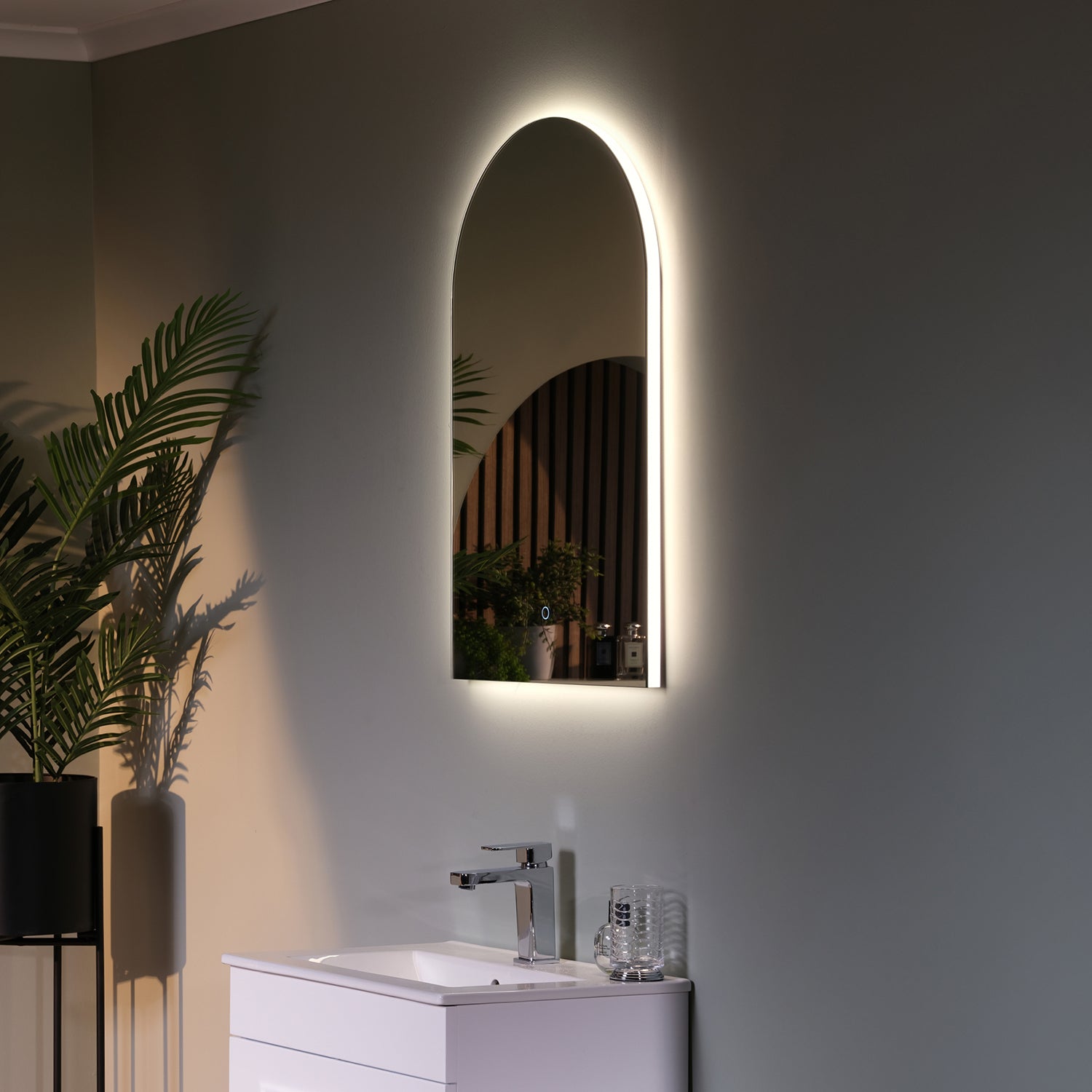
Frameless Mirrors: The Versatile Default
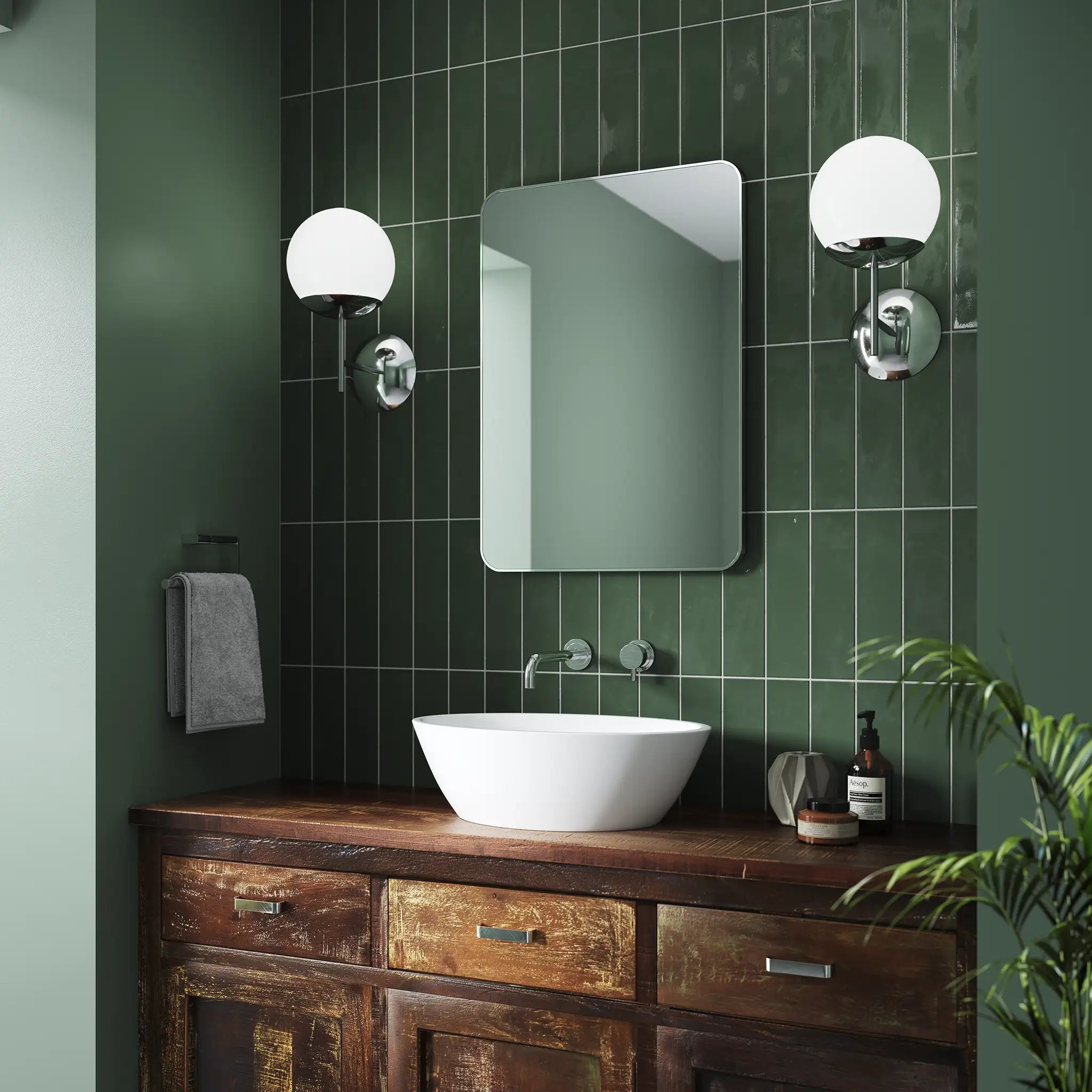
A frameless mirror has no visible surround. The glass sits flush to the wall, with the edge either polished smooth or slightly bevelled, and the overall effect is of a surface rather than an object. It's the most neutral possible choice — it introduces nothing that competes with anything else in the room, and it works in virtually every bathroom style.
Frameless designs are particularly effective in smaller bathrooms, where any visible frame adds visual weight that the room doesn't have space to absorb. They're also useful when you want to run the mirror large — filling most of the available width above a vanity unit — because the absence of a frame allows the scale to read as space rather than as furniture.
If you're unsure about finish and want a safe, enduringly appropriate choice, frameless is reliable. The only trade-off is that it lacks the decorative quality that a well-chosen frame can bring.
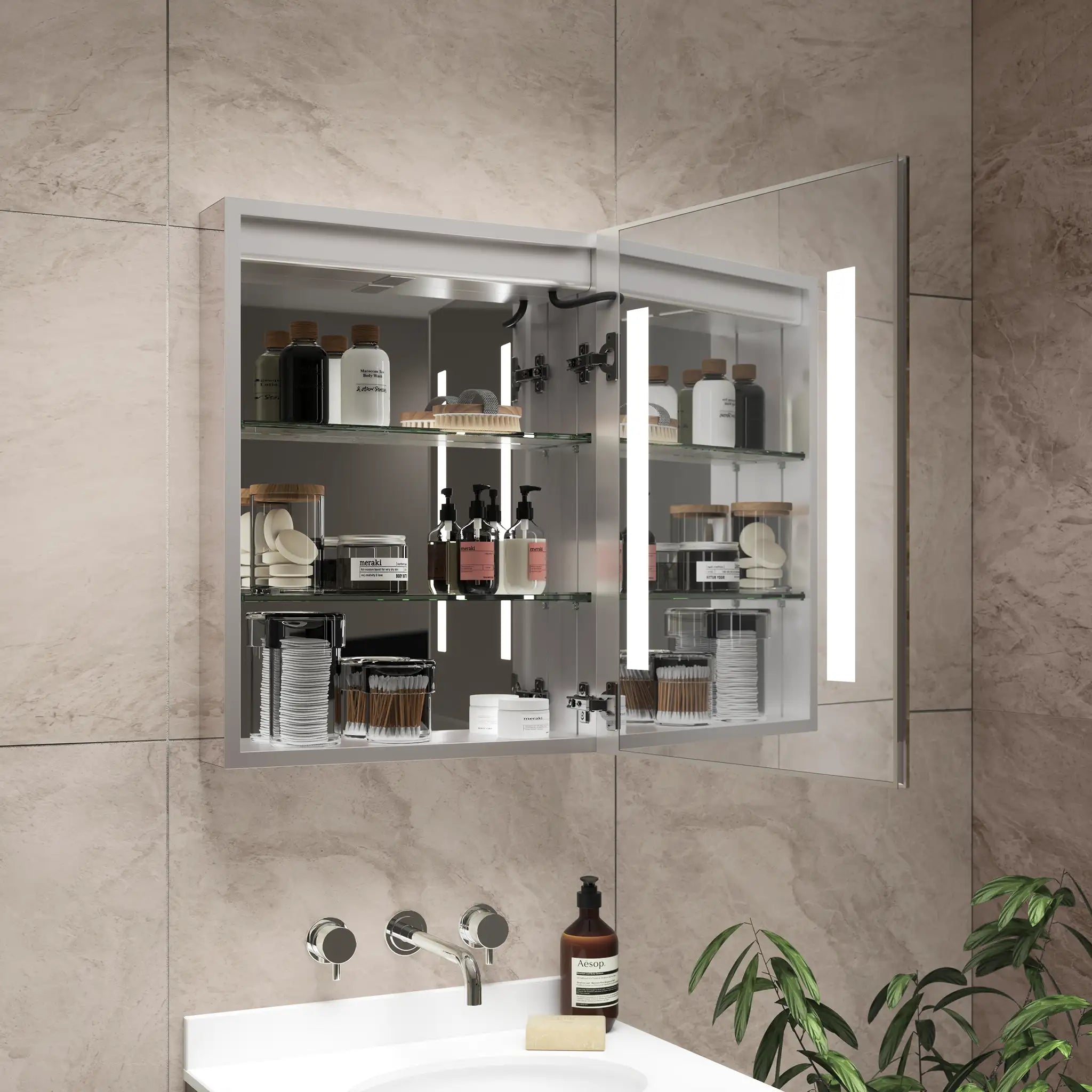
Chrome: The Classic That Goes with Everything
Chrome has been the standard finish for bathroom hardware for decades, and for good reason. It's neutral, it's clean, and it reflects rather than absorbs light, which keeps bathrooms feeling bright. A chrome-framed mirror sits happily alongside chrome taps, chrome shower heads, and chrome towel rails without any risk of clashing.
The one context where chrome requires a little thought is in bathrooms that have moved away from it entirely. Matt finishes — particularly matt black and brushed brass — have become common in contemporary bathrooms, and a chrome mirror in a room where every other fitting is matt can look slightly out of step. If your hardware is chrome, a chrome mirror is almost always the right call. If you've moved to other finishes, it's worth considering whether chrome still fits.
Chrome finishes are easy to clean, resistant to marks, and highly durable in the humid bathroom environment. These are not trivial considerations in a room that sees significant daily use.
Black: Contemporary, Bold, and Increasingly Versatile
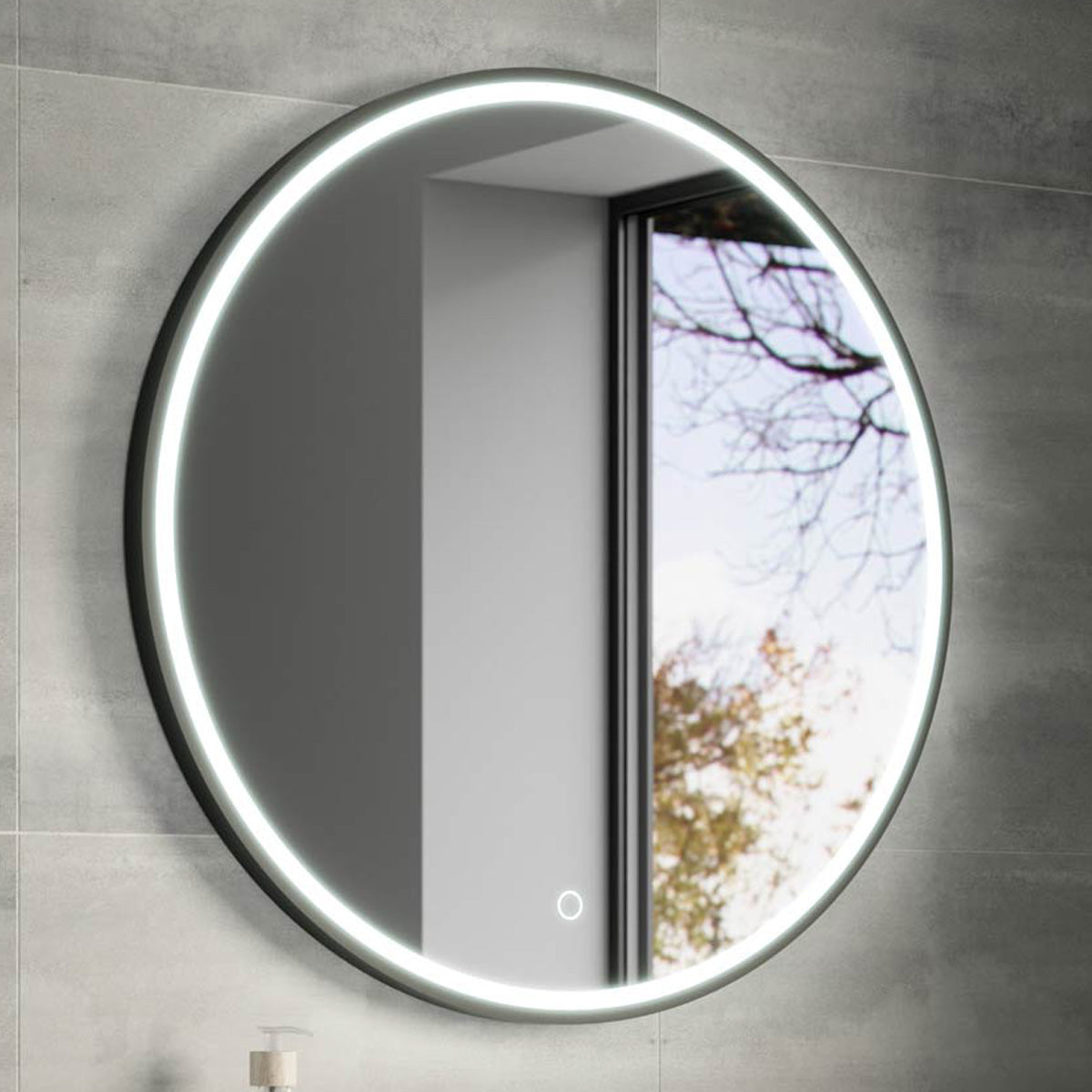
Matt black and dark-framed bathroom mirrors have moved from trend to mainstream over the past several years, and they're now a well-established option that suits a wide range of bathroom styles rather than just the very contemporary.
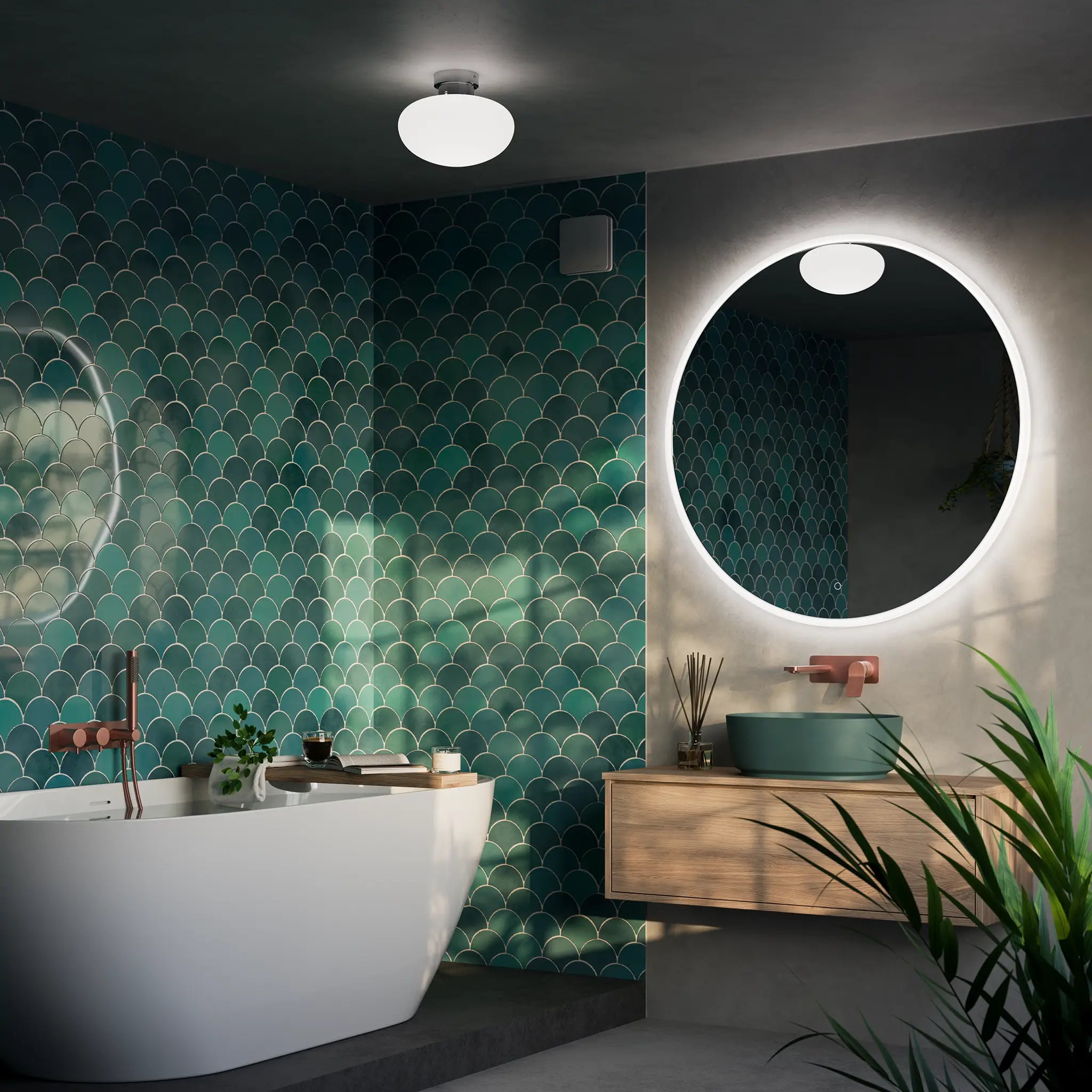
Black frames work particularly well with dark-toned tiles — charcoal, slate, dark green, navy — where they add definition rather than contrast. They also pair well with white tiles, where the contrast is strong and deliberate. In either case, matching the mirror frame to other black hardware (taps, shower fittings, towel rails) creates a coherent, intentional look.
In bathrooms with warmer or more traditional aesthetics, a hard matt black frame can feel slightly industrial unless it's balanced carefully. If you love the look but have a softer room, a more slender black frame tends to integrate more gracefully than a wider, heavier one.
Brass and Gold: Warm, Characterful, and More Flexible Than You'd Think
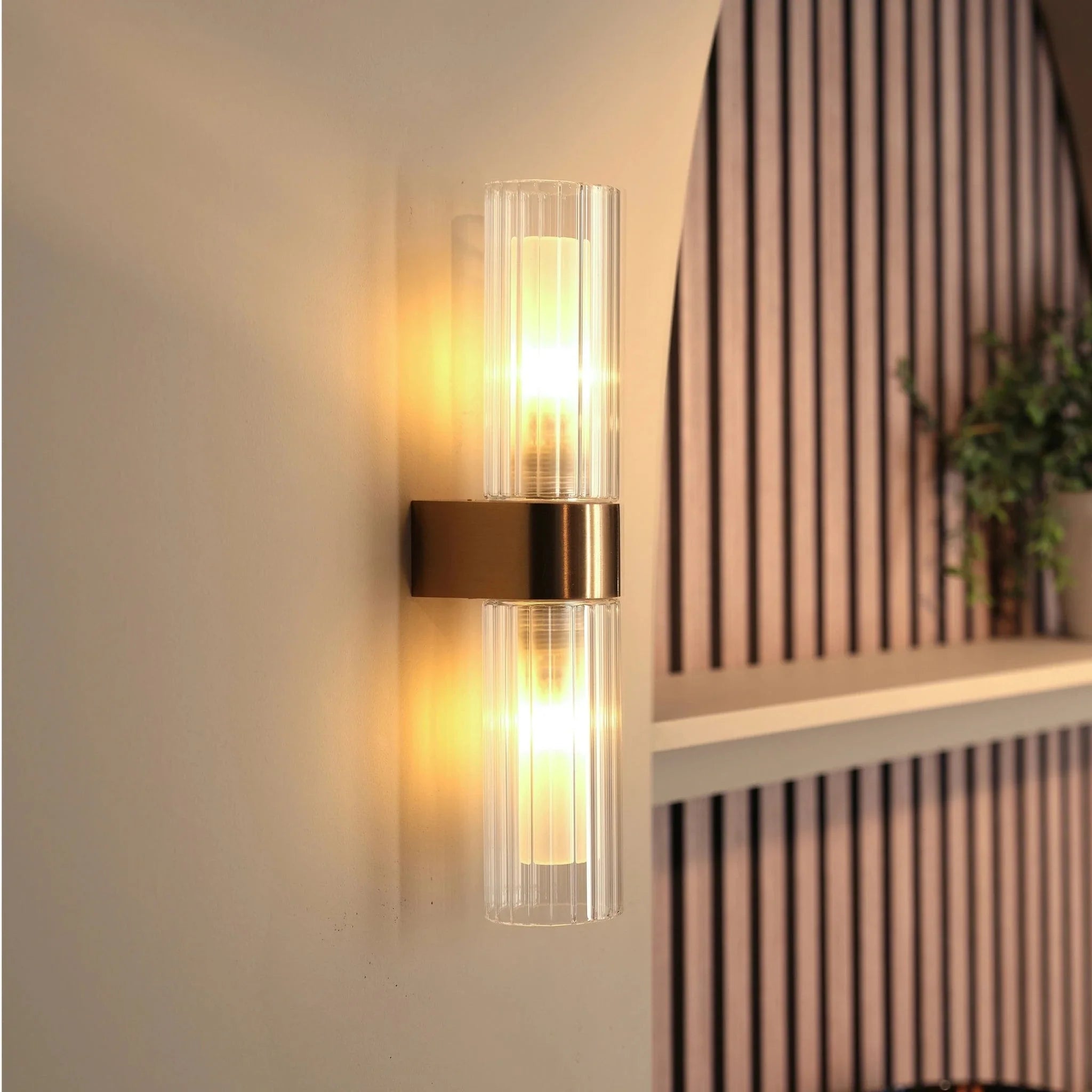
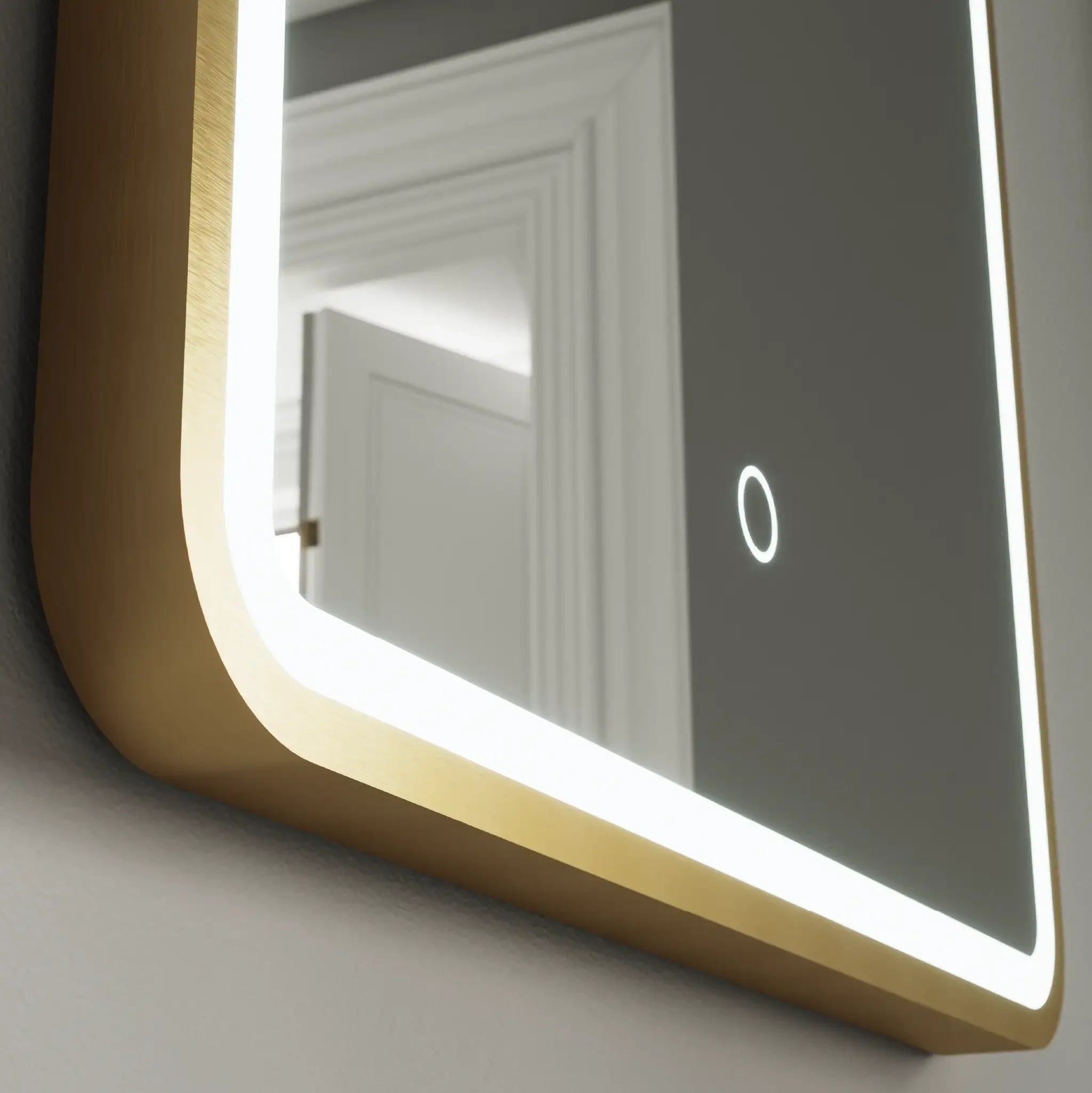
Brushed brass and soft gold finishes have had a significant moment in bathroom design, and it's held. Unlike chrome, brass has warmth — it reads as a material with depth and character rather than a purely neutral surface. In the right bathroom, it's transformative.
Brass works best when it's part of a broader design language rather than a single accent. If your taps, shower head, and hardware are all in brass or gold tones, a brass-framed mirror completes the picture. If the mirror is the only brass element in the room, it risks looking isolated rather than deliberate.
The warmth of brass also complements warm-toned surfaces: honey-coloured stone, warm white tiles, natural wood vanity units, terracotta. In a cooler, greyer palette, brass can introduce a welcome contrast — but the balance matters, and it's worth considering whether your overall room tone supports it.
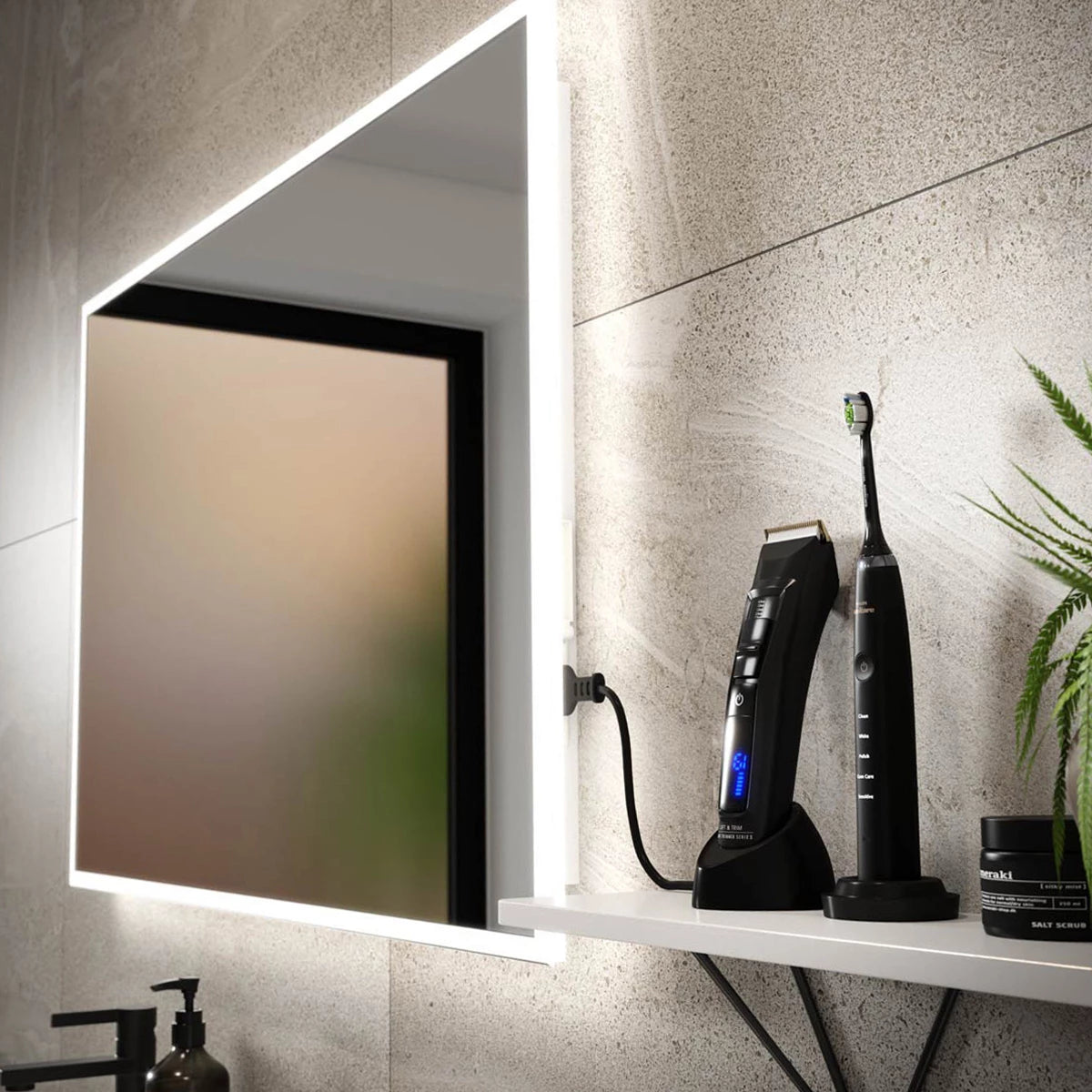
White: Fresh, Light, and Right for Certain Rooms
White-framed mirrors are less common than the other options but have a particular appeal in bathrooms with a fresh, pared-back aesthetic — Scandinavian-influenced rooms, coastal designs, and very light spaces where additional white isn't adding weight but rather extending an existing palette.
They work well where the goal is simplicity and softness, and where the last thing you want is a mirror frame that competes for attention.
The Practical Rule: Follow Your Hardware
The simplest guiding principle for mirror finish is to match — or deliberately contrast with — your existing hardware. If your taps are chrome, a chrome or frameless mirror is instinctively right. If you have a single bold finish running through the room, repeat it in the mirror frame.
If you're fitting out a bathroom from scratch and haven't yet chosen hardware, it's worth deciding on a finish family first and buying everything within it. The coherence it creates is one of the easiest ways to make a bathroom feel considered.
Pebble Grey stocks a full range of mirror finishes — black, brass, chrome, white, and frameless — in both illuminated and non-illuminated styles, all with free next-day delivery and a 10-year guarantee.
Browse by mirror finish or explore the full bathroom mirror range.