



Most bathroom mirror cabinets are surface-mounted — they sit proud of the wall, projecting outward by the depth of the cabinet body. That works well in the majority of bathrooms, but there's a more refined alternative that's worth understanding if you're doing a full renovation or fitting out a new bathroom from scratch: the recessed cabinet.
What Is a Recessed Cabinet?
A recessed mirror cabinet is installed into the wall rather than onto it. A void is created in the plasterboard or stud wall to accommodate the cabinet body, so that only the mirrored door face sits flush with — or just slightly proud of — the wall surface.
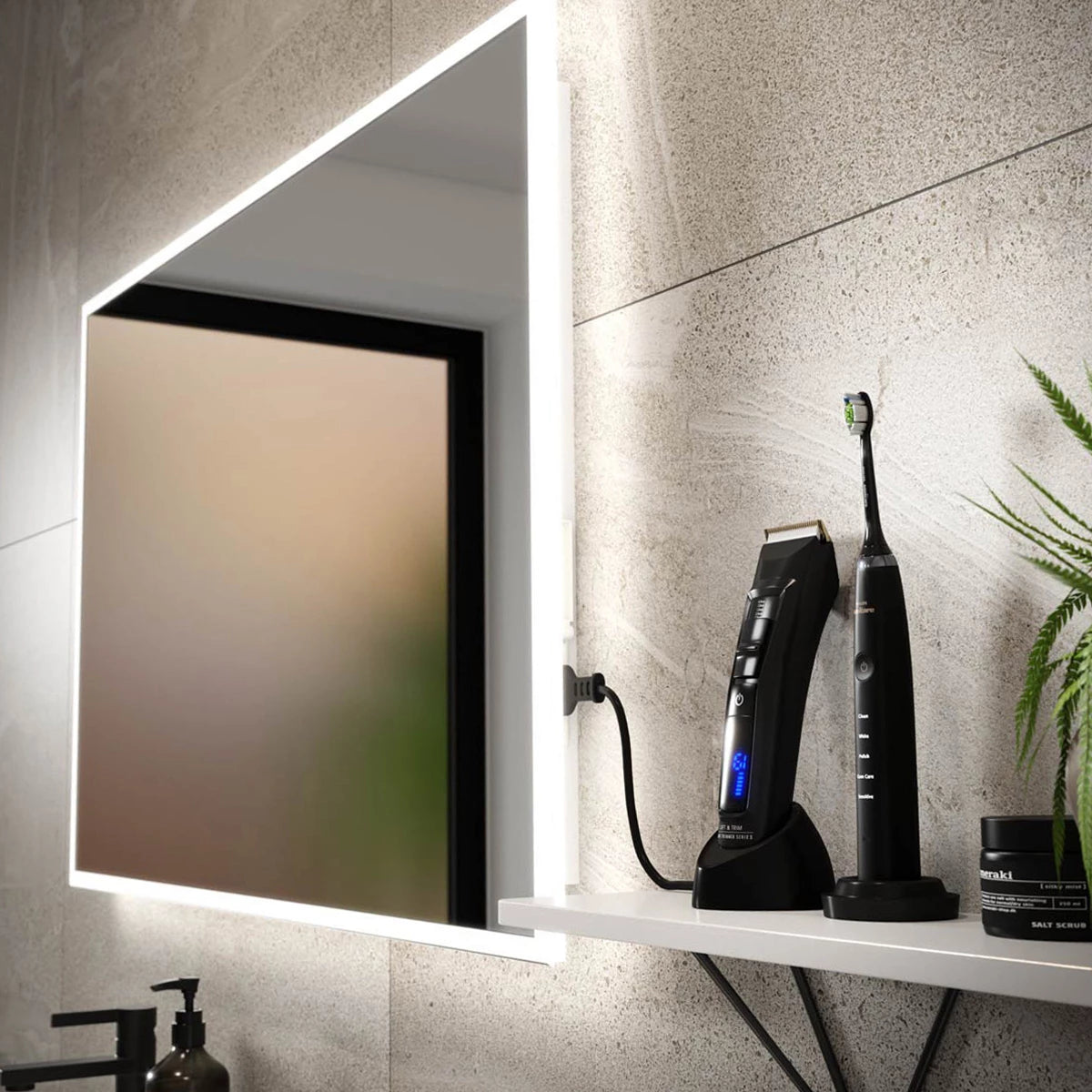
From the front, the effect is striking. The cabinet appears to be part of the wall itself, with no visible frame, bracket, or projection. The door mirrors blend seamlessly into the wall plane, creating a clean, architectural look that's difficult to achieve with a standard surface-mount cabinet.
Why Choose a Recessed Cabinet?
The most obvious benefit is aesthetic. A recessed cabinet has a built-in, considered quality that elevates the whole room. In bathrooms where care has been taken over tiles, sanitaryware, and fittings, a cabinet that looks like it was always meant to be there is a natural complement. Surface-mount cabinets can look slightly applied or added as an afterthought; recessed ones never do.
There's also a practical benefit: a recessed cabinet takes up no floor-to-ceiling wall space in the perceptual sense. Because it doesn't project forward, it doesn't intrude on the room, doesn't get in the way when you're moving around the basin, and doesn't cast a shadow on the wall below. In smaller bathrooms and en-suites this can make a real difference to how the room feels.
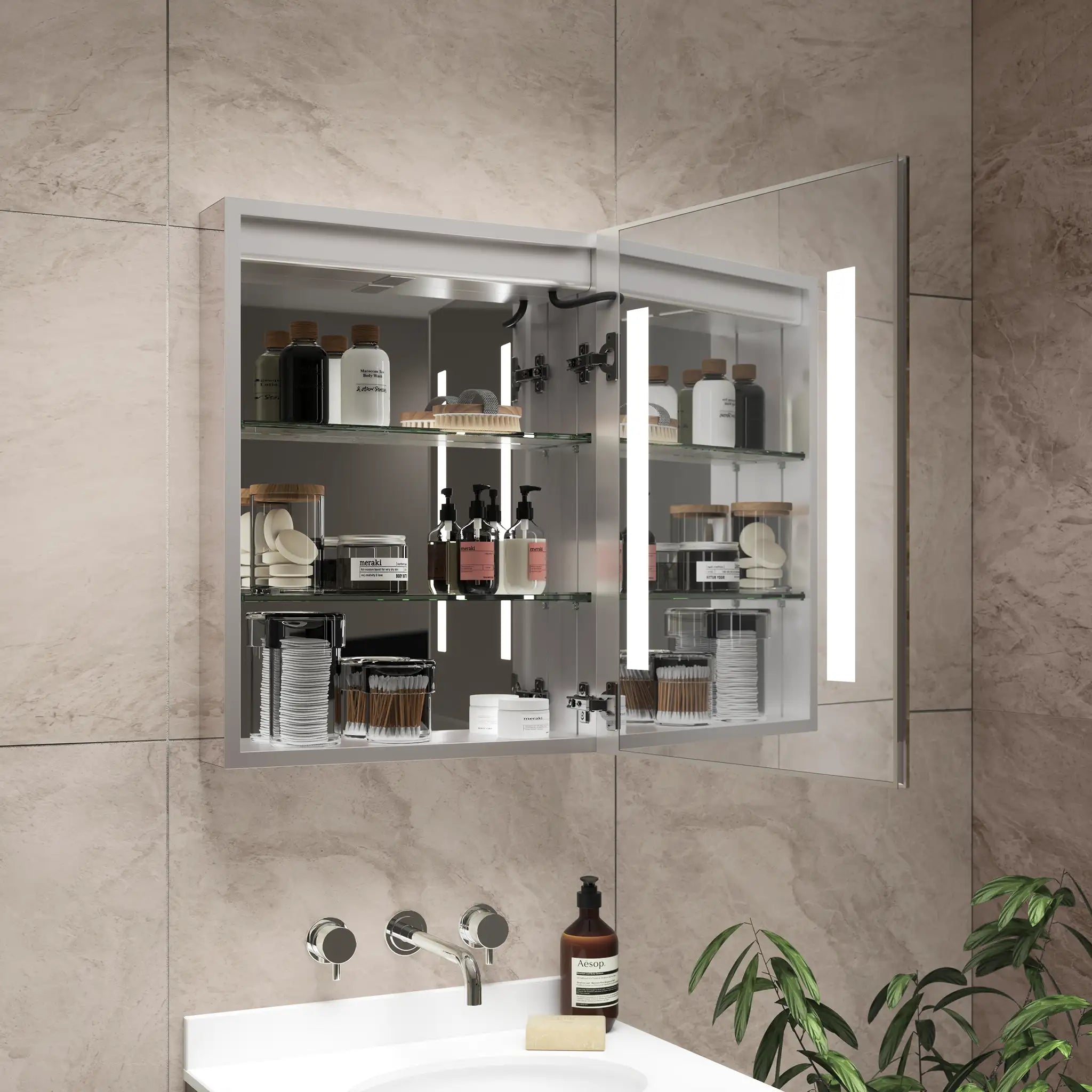
The depth available inside a recessed cabinet is determined partly by the thickness of the wall, but standard stud-wall construction typically allows for enough internal volume to store everyday toiletries across two or three adjustable shelves — more than sufficient for most households.
What Installation Involves
Fitting a recessed cabinet is more involved than hanging a surface-mount unit, and this is the main reason more people don't choose them. You will need to create a void in the wall to the correct dimensions, which means cutting into plasterboard (or, less commonly, a masonry wall, which is more complex). The process requires checking carefully for cables and pipes before any cutting begins — a job for someone comfortable with basic building work, or a bathroom installer.
In a renovation where the bathroom is being fully refitted, this kind of work happens naturally in the course of the project. If you're retiling or replastering, fitting a recessed cabinet at the same time adds relatively little extra work. In an existing bathroom where you're just replacing a mirror, the additional disruption is more significant and worth considering honestly.
It's worth noting that not every wall is suitable. Internal stud walls are the easiest case. External walls, walls with cavity insulation, and walls that contain structural elements or run immediately behind pipes all require more careful planning. If you're unsure, it's worth asking a bathroom installer or builder to assess the wall before you commit.
The electrical connection for an illuminated recessed cabinet follows the same process as any hardwired mirror — a qualified electrician should make the connection, and an RCD-protected spur is required. This work can typically be done at the same time as the cabinet installation.
Recessed vs Surface-Mount: Which Is Right for You?
Surface-mount cabinets are the right choice for most bathroom updates. They're simpler to install, work on virtually any wall type, and offer the same range of features — illuminated doors, demister pads, shaver sockets, Bluetooth audio — as their recessed counterparts. If you're replacing an existing mirror or cabinet without broader building work, surface-mount is almost certainly the practical answer.
Recessed cabinets come into their own in new builds, full renovations, and situations where the finished appearance is particularly important. If you're investing in a high-quality bathroom and want every element to look considered rather than bolted on, a recessed cabinet earns its place.
The cost difference between the two is not as large as many people expect. The cabinet itself may be priced similarly; the additional cost lies in the installation rather than the product.

A Note on Planning
If you're considering a recessed cabinet, the right time to commit is before the tiling rather than after. Cutting into a newly tiled wall is possible but inconvenient and carries a risk of damage. If you know you want a recessed cabinet, build that into the plan from the beginning — mark the position, create the void, run the electrical spur, and tile around it.
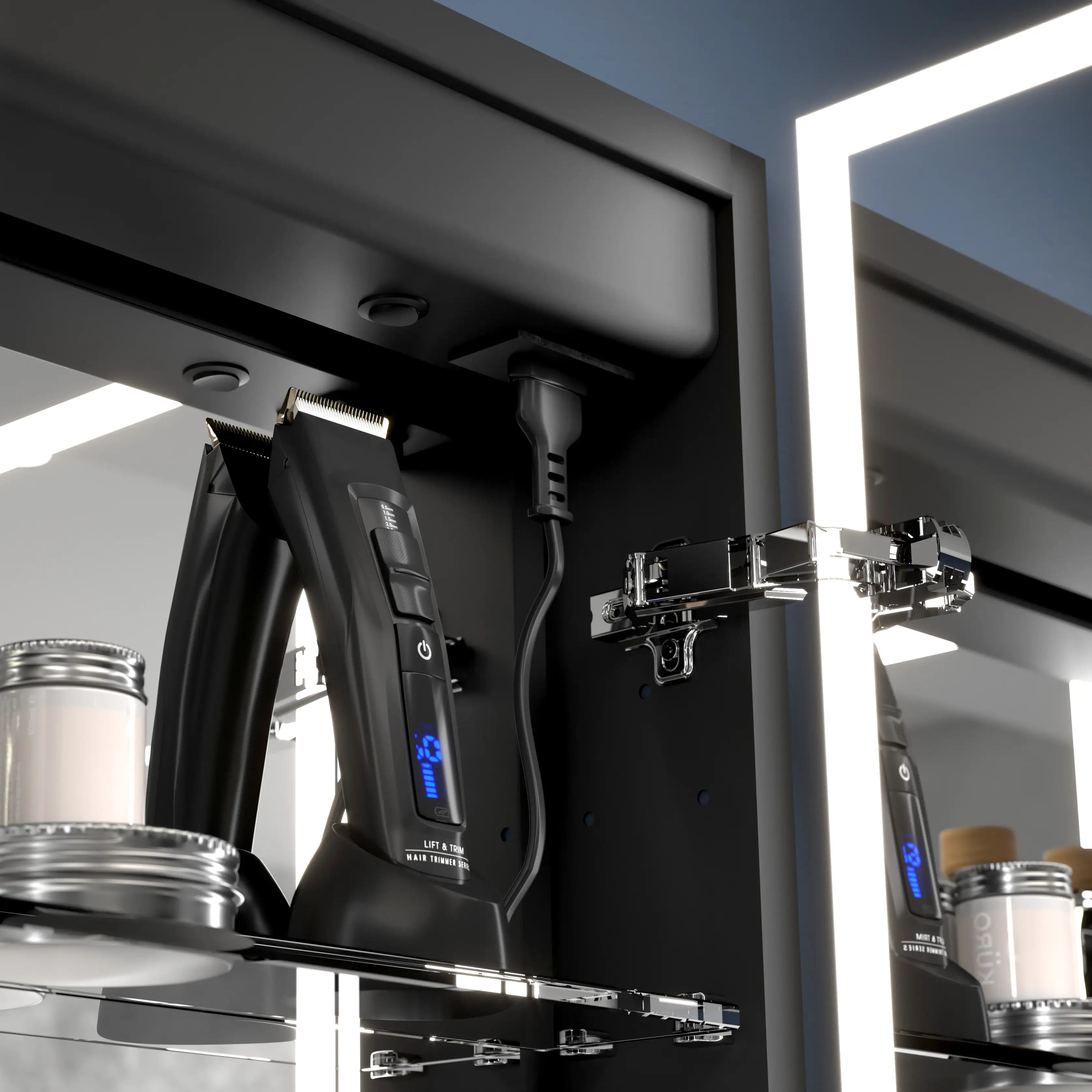
Pebble Grey's recessed cabinets combine the clean built-in aesthetic with the same quality of illumination and features you'd expect from the surface-mount range, including adjustable shelving, demister pads, and integrated lighting — all backed by the 10-year guarantee.
Explore recessed bathroom cabinets or browse the full illuminated cabinet range.