



The short answer is yes — and more people do it than you might expect. An illuminated bathroom mirror works perfectly well outside a bathroom, and in many situations it does the job better than anything specifically marketed as a bedroom or hallway mirror.
Here is what to know before you make the decision.
Why the IP Rating Matters (and Why It Does Not, Outside the Bathroom)
IP ratings — the two-digit codes such as IP44 or IP65 you see on bathroom mirror specifications — indicate protection against water ingress. They exist because bathrooms are wet environments, and electrical products installed in bathrooms must meet specific standards to be safe.
Outside a bathroom, those moisture protection requirements do not apply. A mirror rated IP44 will work perfectly in a bedroom, hallway, or dressing room — the rating simply means it has protection it will never need in those locations. It is not a limitation, and it does not affect the mirror's performance in any way.
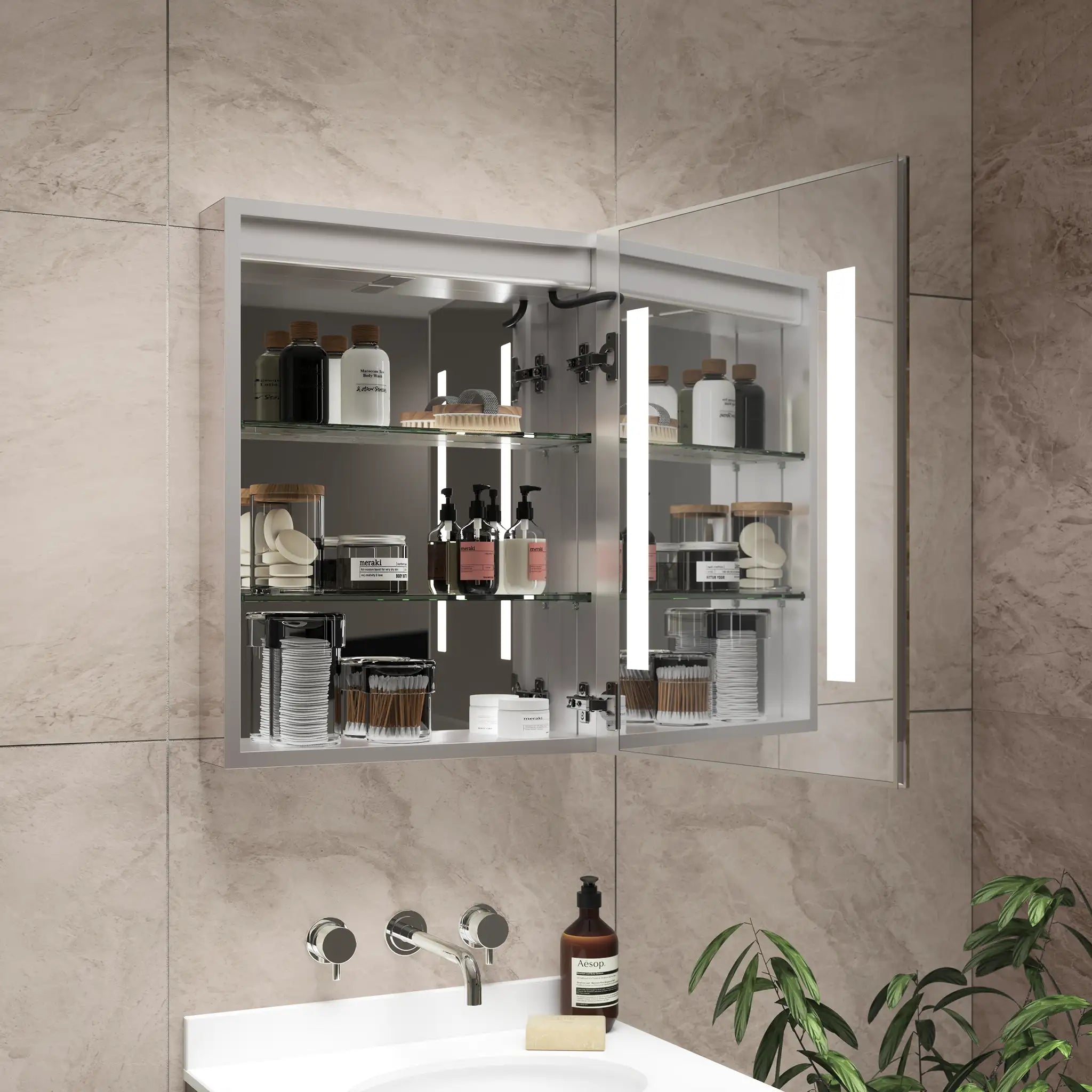
What this means practically is that a large, beautifully made illuminated mirror designed for bathroom use is equally at home in a dry space elsewhere in your home. The engineering that makes it suitable for a wet room makes it very robust indeed for a dressing room.
Why People Choose Illuminated Bathroom Mirrors for Bedrooms
The reason is simple: the light quality is better than almost anything else on the market at a comparable price.
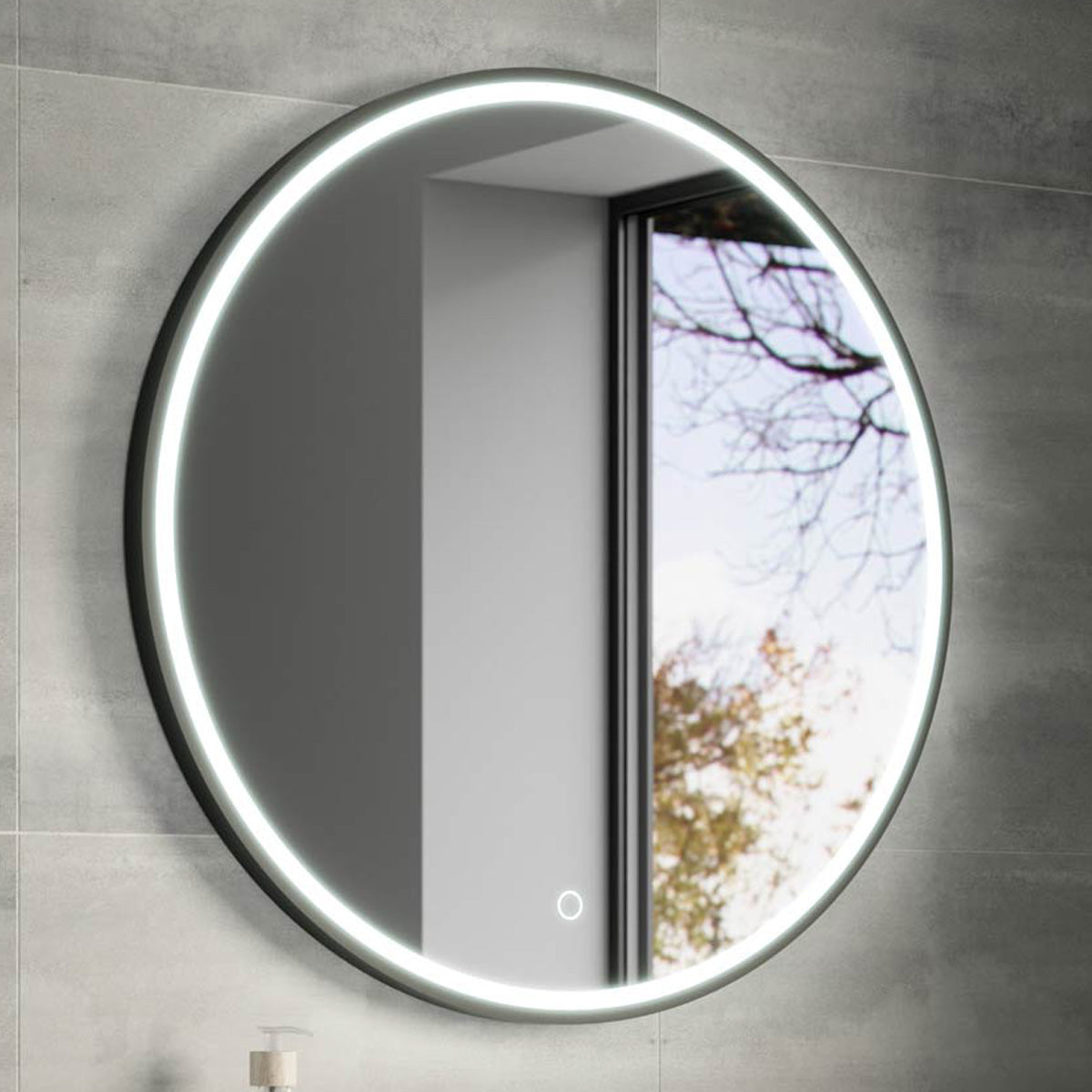
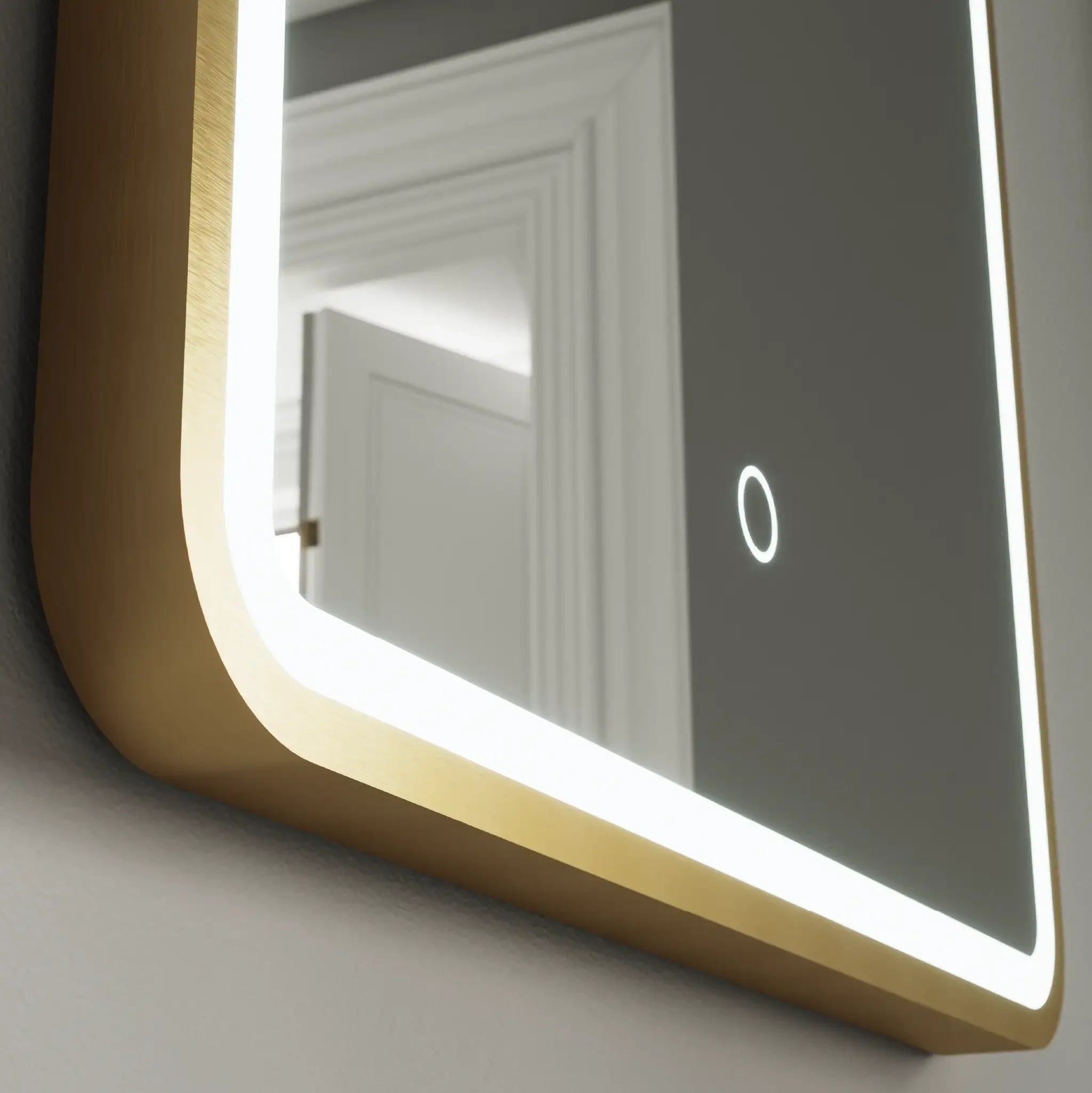
Standard bedroom mirrors — freestanding cheval mirrors, decorative wall mirrors, and even dedicated vanity mirrors — are typically unlit or use bulb-based lighting around the frame. The illumination from an LED-lit bathroom mirror, distributed evenly across the face, eliminates facial shadows in a way that a bulb array around the perimeter cannot match.
For anyone who applies makeup, this matters a great deal. The even, shadowless light of a quality LED mirror gives a far more accurate view of the face than a bedroom with ceiling downlights, however well positioned they are. It is also more flattering — which is why makeup artists and photographers have used this kind of lighting for decades.
For morning grooming in general, having the light built into the mirror rather than relying on the room's ambient light means the quality of what you see is consistent regardless of the time of day or the weather.
Which Styles Work Best in Non-Bathroom Settings
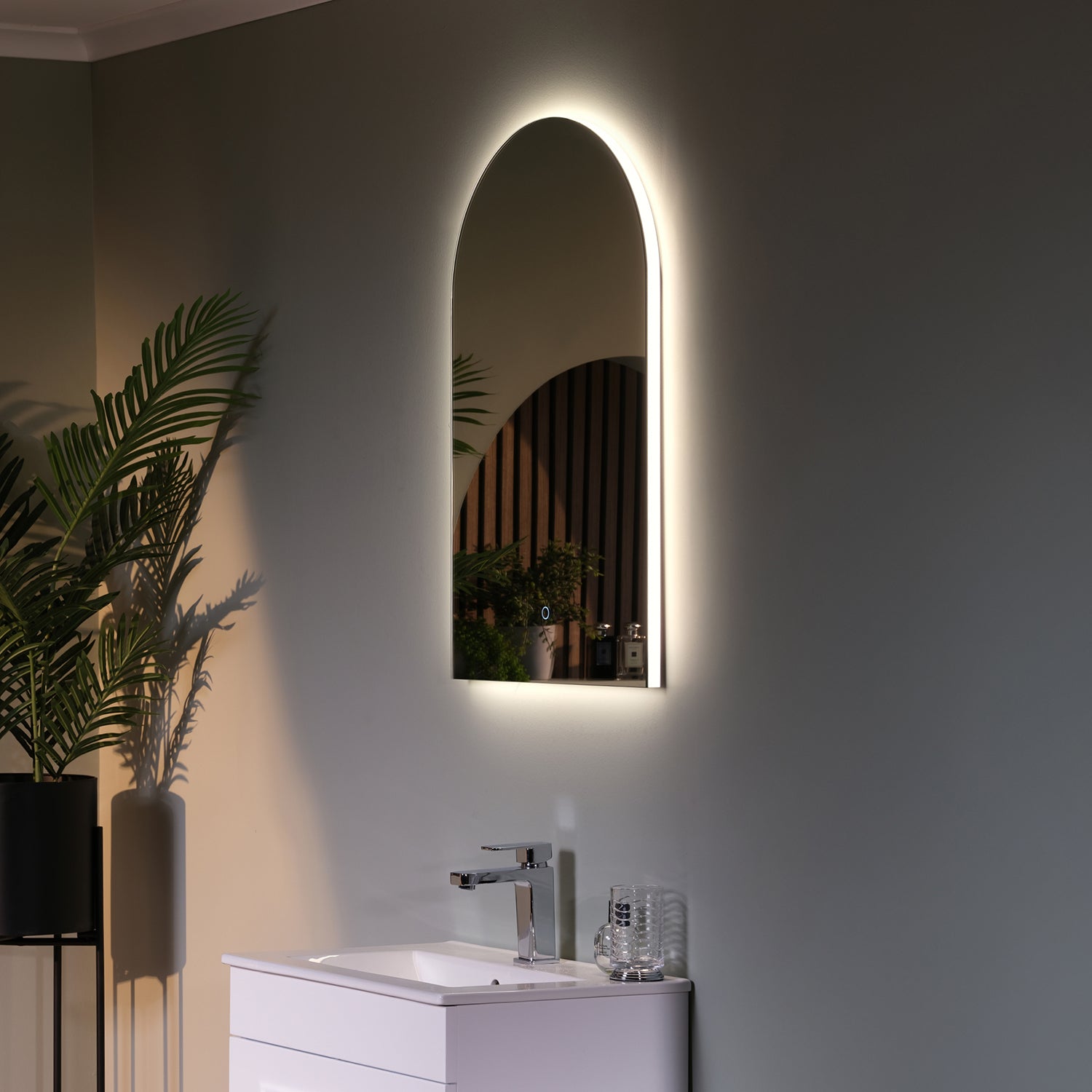
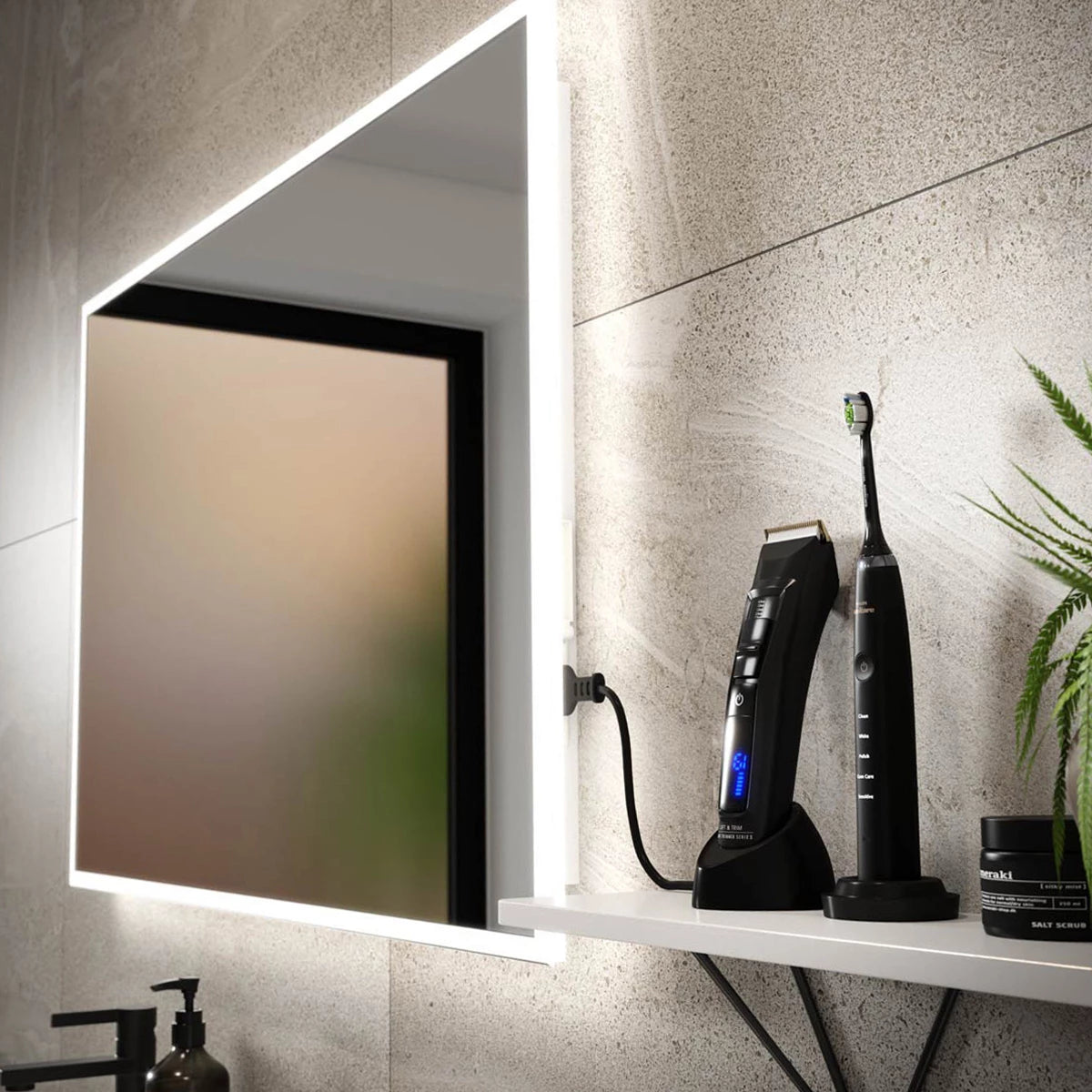
Frameless mirrors with backlit or edge illumination tend to suit bedroom and dressing room settings most naturally. The clean edges and ambient glow read as deliberate and sophisticated in a way that some more obviously utilitarian designs do not. In a bedroom, the mirror will be seen against furniture, textiles, and décor, so the overall aesthetic matters more than it would in a purely functional bathroom setting.
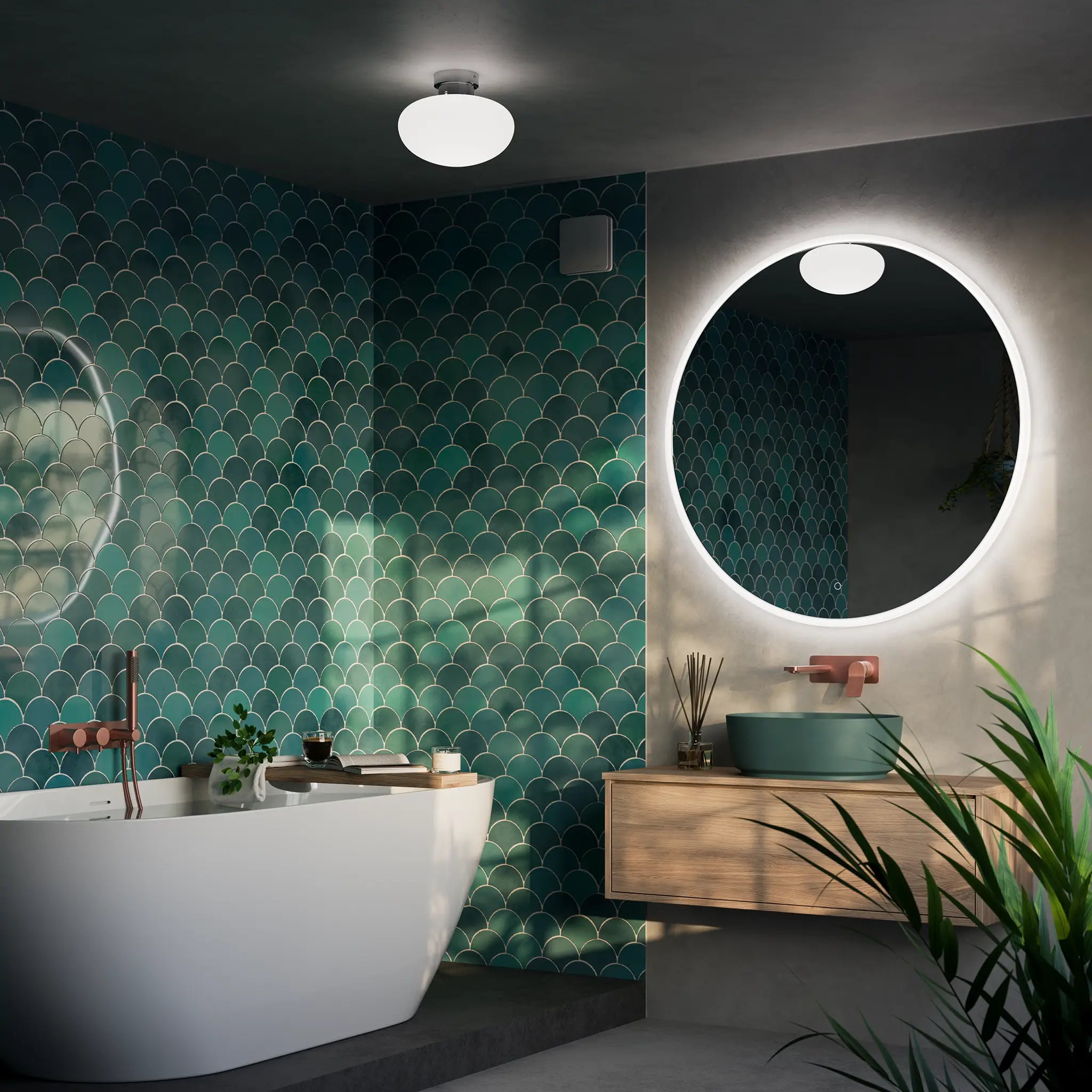
Rectangular mirrors work well hung horizontally on a wide bedroom wall or vertically in a narrow hallway. Round and oval mirrors have seen a significant rise in popularity in hallways and dressing rooms — the softness of the shape complements spaces that are trying to feel welcoming rather than purely functional.
Practical Considerations for Non-Bathroom Locations
The main practical question is power. An illuminated mirror needs a power connection — either a mains supply or, for some models, a plug socket. In a bathroom this is typically a hardwired connection done by an electrician. In a bedroom or hallway, the same applies if you want a clean installation. If you have an accessible plug socket nearby, some mirrors can be connected via a standard plug, but this depends on the model.
Wall type matters too. An illuminated mirror of any real size is a substantial item, and it needs to be properly fixed. Stud walls, solid plaster walls, and tiled surfaces all require different fixings. The weight is not usually extreme — most mirrors can be handled by two people — but the fixings need to be right.
Hallways and Dressing Rooms: A Transformative Effect
In a hallway, a large illuminated mirror does several things at once. It makes the space feel significantly bigger by doubling the apparent depth of the room. It adds a source of warm light that changes the feel of the space in the evening. And it provides a genuinely useful final check before leaving the house — which is, after all, exactly what hallway mirrors are for.
In a dressing room, the case is even stronger. Good light and a large mirror are the two non-negotiable elements of a space designed for getting dressed. An illuminated mirror provides both in one item, and the quality of light it offers is designed precisely for looking at yourself clearly.
The combination of practical function and visual quality makes an illuminated mirror one of the best upgrades available for either space.
Browse the Pebble Grey illuminated mirror range — beautifully made mirrors that work in bathrooms, bedrooms, hallways, and dressing rooms, with styles to suit every interior.