



Landlords make purchasing decisions differently from homeowners. When you own and live in a property, you can weigh personal taste against budget and make a choice that suits you. When you are fitting out a rental, you need to think about durability, maintenance, compliance, tenant appeal, and the cost implications of getting it wrong.
Illuminated bathroom mirrors sit in a category that landlords sometimes overlook or underinvest in. This guide makes the case for thinking about them more carefully.
What Landlords Are Really Looking For
Durability is the first requirement. A rental property will be used by multiple tenants over the years, and it will not always be treated with the same care the owner would give it. Fixtures need to withstand varied use, occasional knocks, and bathroom humidity without degrading quickly.
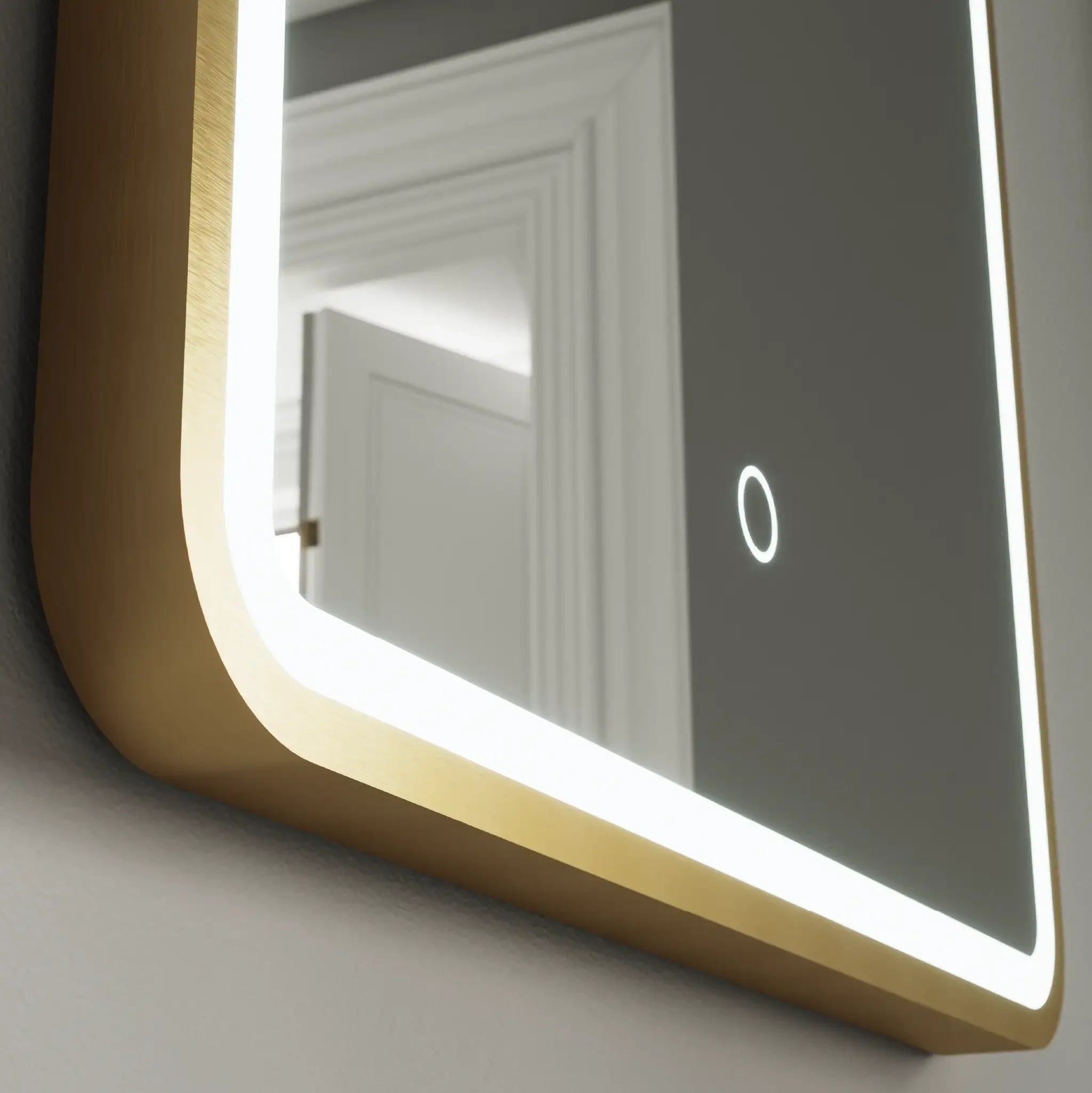
Low maintenance matters almost as much. A mirror that requires no bulb changes, no resealing, and no regular attention beyond cleaning is far preferable to one that needs attention every year or two. LEDs in a quality illuminated mirror are rated for tens of thousands of hours — you should not need to think about the lighting element at all for the duration of most tenancies.
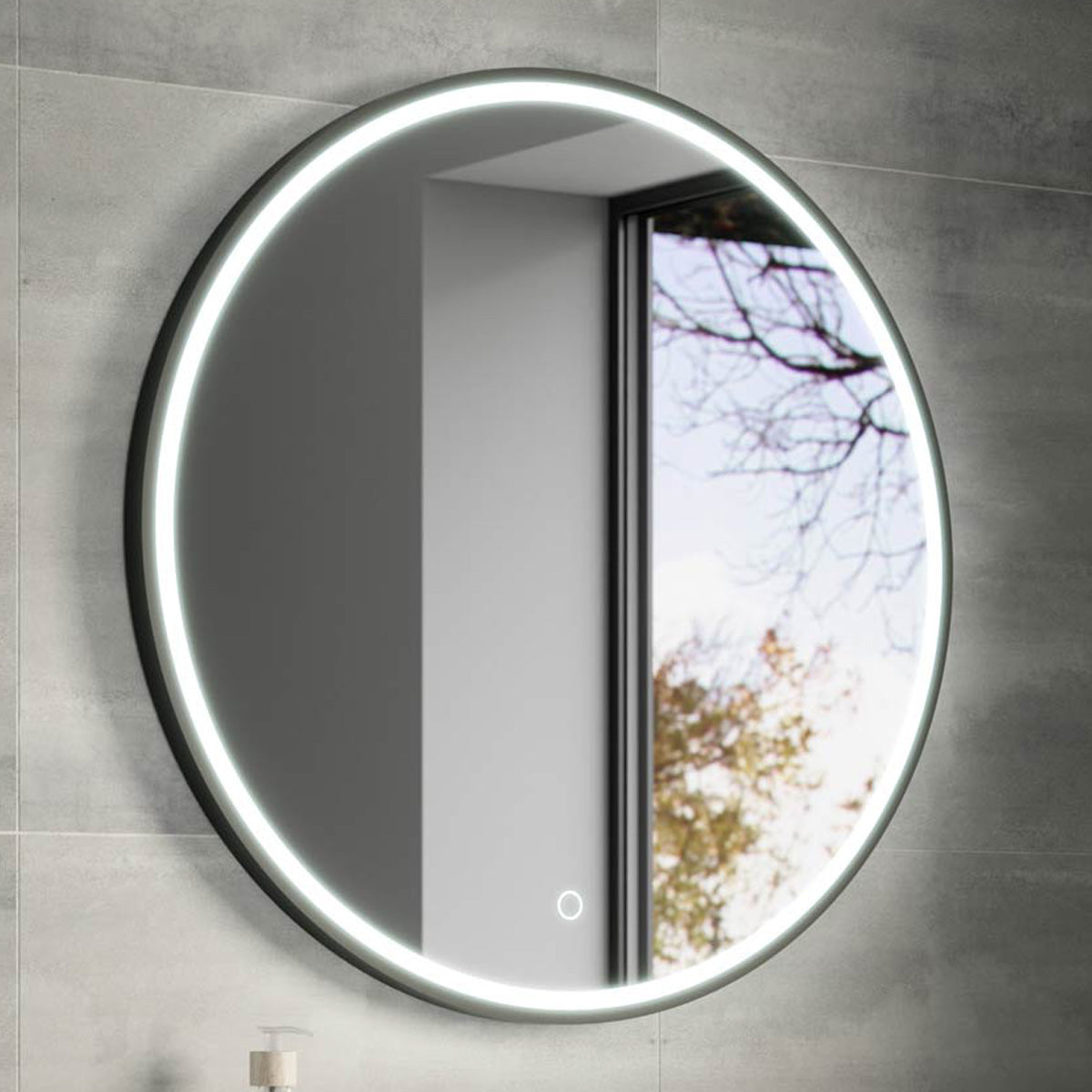
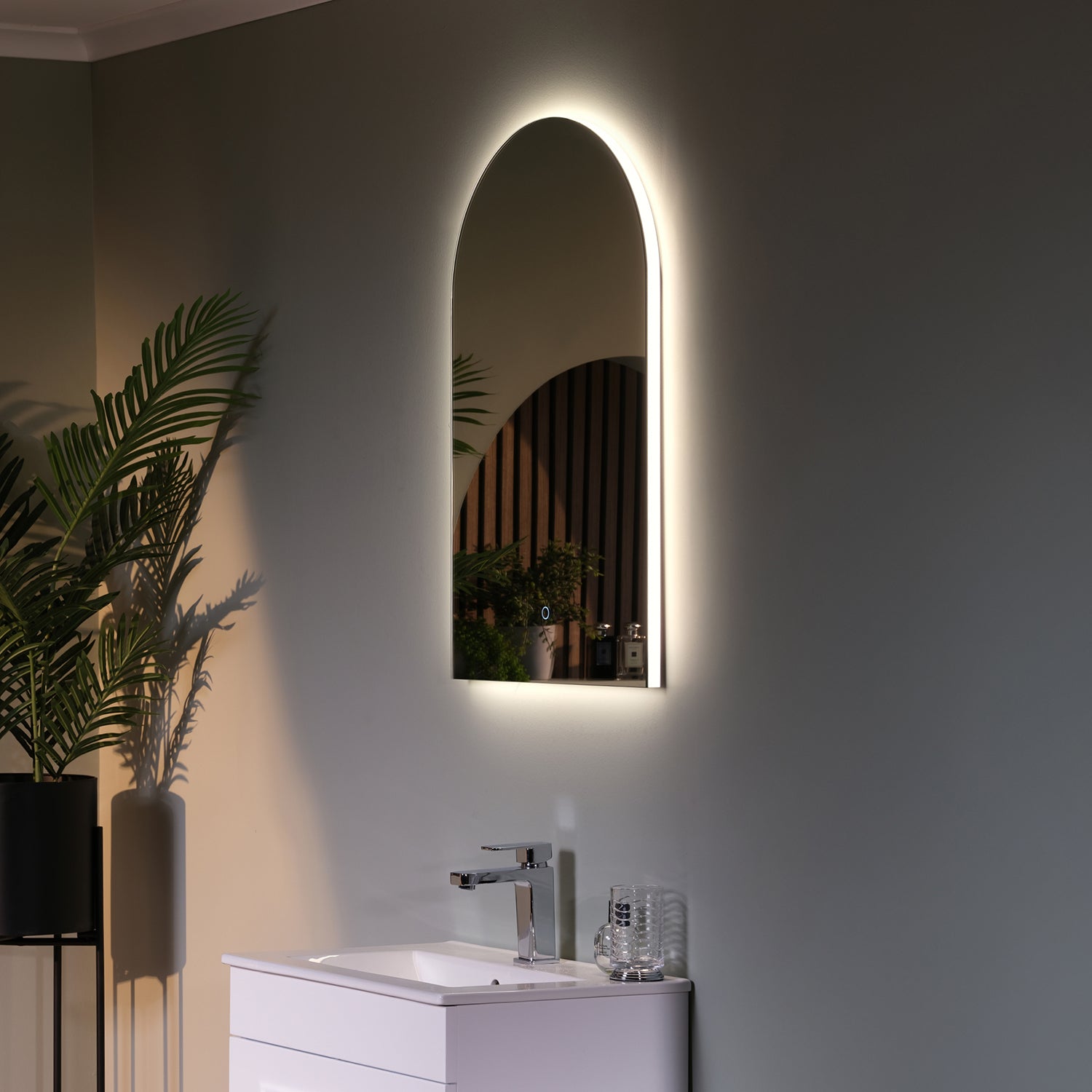
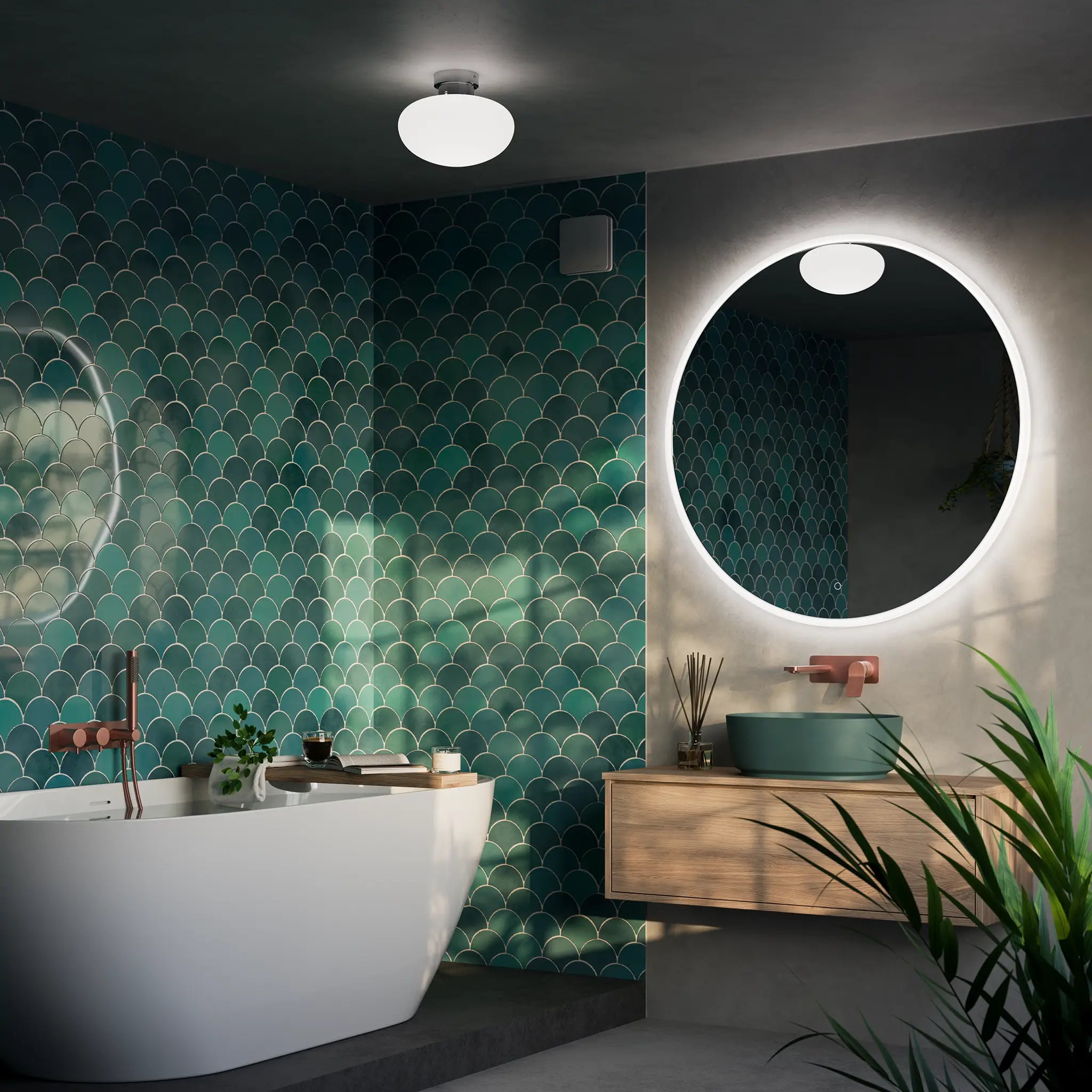
And then there is the listing photograph. In a competitive rental market, the quality of property photography has a direct effect on the speed and price of letting. A bathroom with a plain, frameless mirror looks dated in photographs. An illuminated mirror creates a point of difference — the light, the reflected space, and the sense that the bathroom has been considered rather than furnished to a minimum.
The Investment Case for Quality Over Budget
The temptation in rental fitting is to buy the cheapest functional item and replace it when it fails. For some items, that logic holds. For bathroom mirrors, it tends not to.
A budget illuminated mirror — typically priced at under £80 — may last three to five years before the LED driver fails, the sensor becomes unreliable, or the housing begins to show deterioration from bathroom humidity. When it fails, you need to source a replacement, arrange for it to be fitted (or find time to do it yourself), dispose of the old mirror, and potentially patch the wall. That process costs time and money, and it rarely happens at a convenient moment.
A quality illuminated mirror with a ten-year guarantee costs more upfront — typically in the £150 to £350 range — but removes that cycle entirely. For the expected life of several tenancies, it simply works. The total cost of ownership over a decade is almost always lower for the quality product, and the interim disruption is zero.
IP Rating Compliance and Landlord Responsibilities
Landlords have a legal obligation to ensure that electrical installations in their properties comply with BS 7671 and the relevant bathroom zone regulations. In a bathroom, any electrical fitting — including a mirror — must carry the appropriate IP rating for the zone in which it is installed.
Zone 1 (directly above and within the bath or shower) requires IP45 minimum. Zone 2 (within 60cm of the bath or shower edge) requires IP44 minimum. A mirror installed outside these zones still benefits from a good IP rating for longevity in a humid environment, but the compliance requirement is less strict.
A mirror from a reputable supplier will carry a clear, documented IP rating. If you are installing mirrors in tenanted properties and cannot verify the IP rating of what you have fitted, that is a gap worth closing. Pebble Grey provides full electrical specifications — including IP rating and compliance documentation — for every product in the range.
Shaver Socket Convenience for Tenants
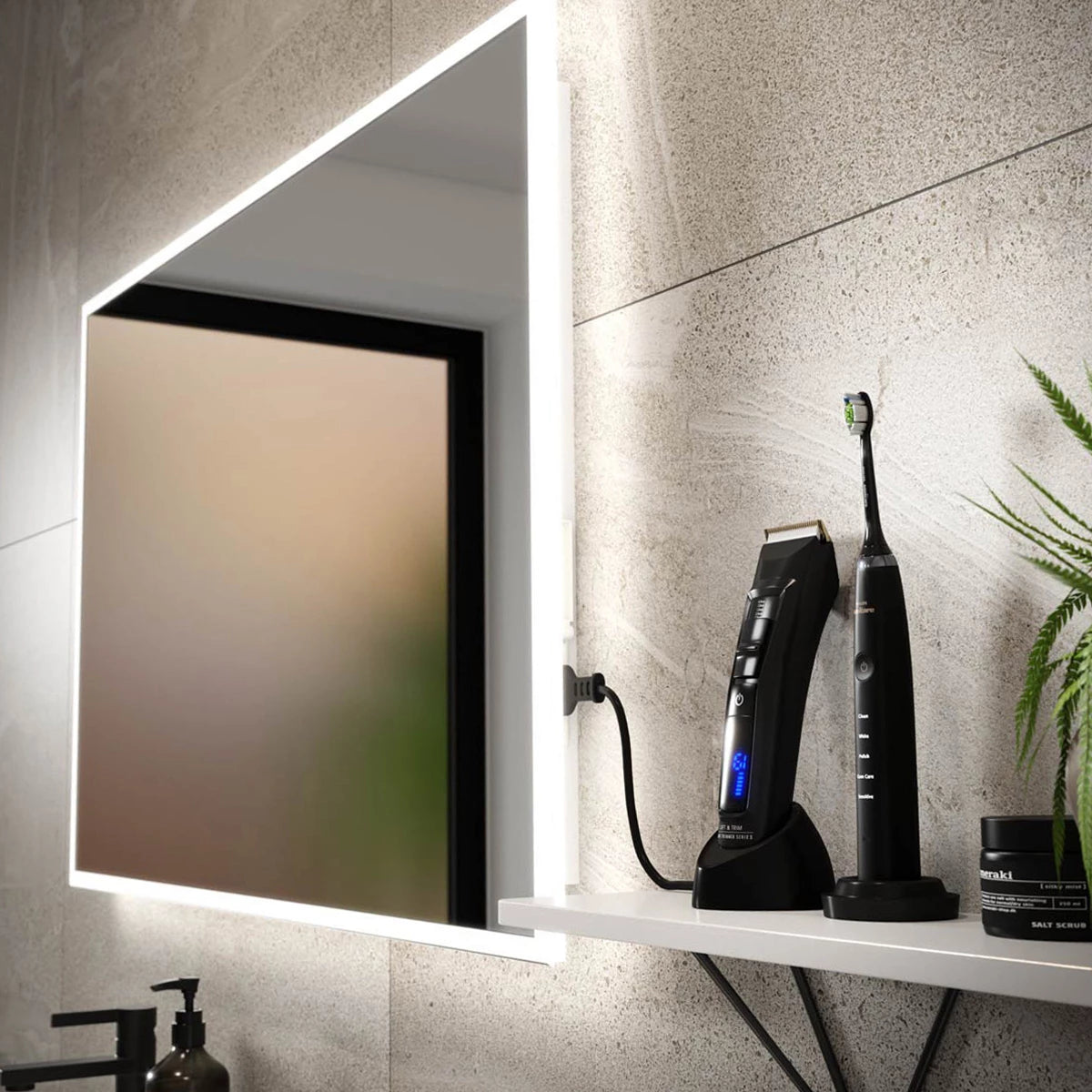
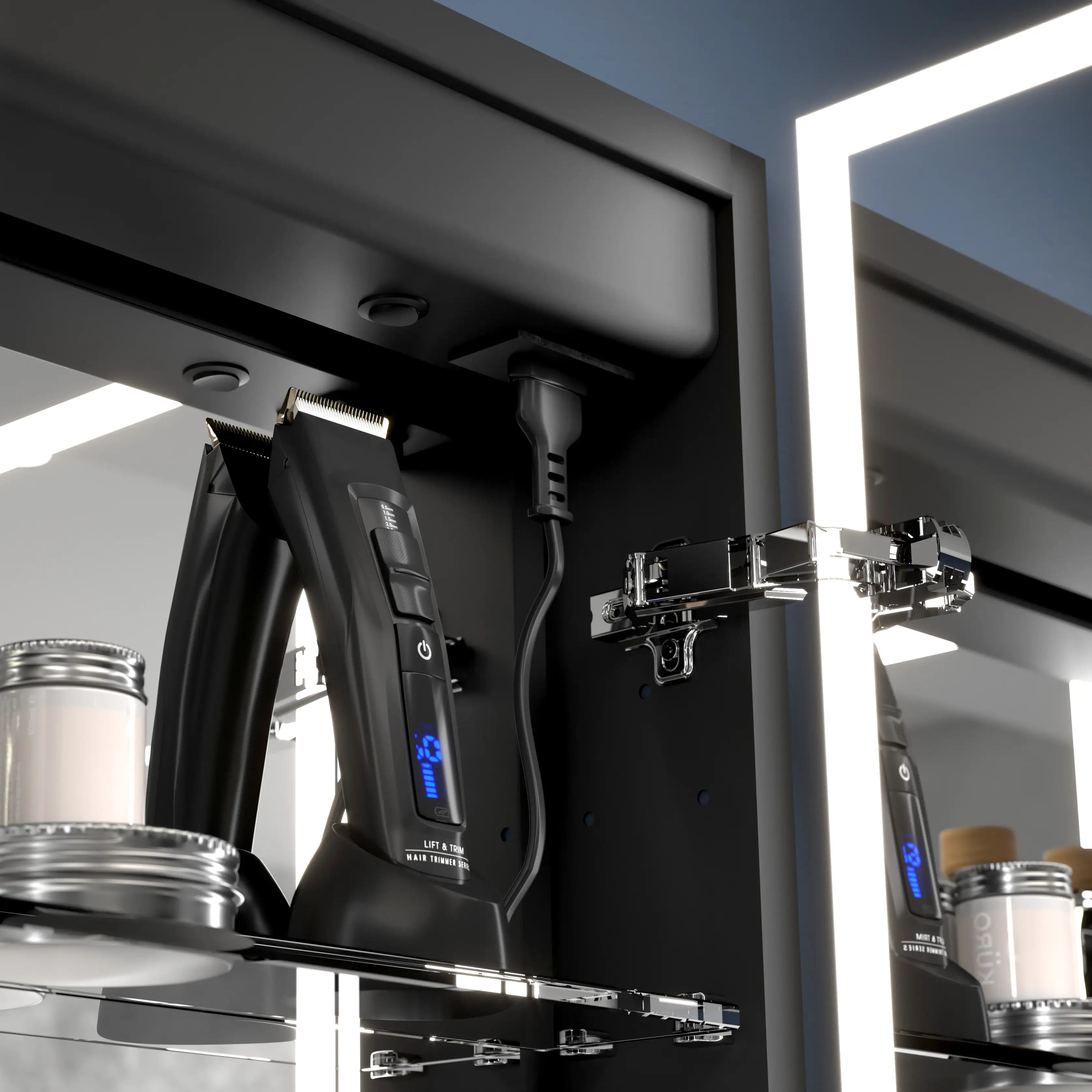
A built-in shaver socket is a small feature with a disproportionate effect on tenant satisfaction. The alternative for a tenant without one is an extension lead running from the landing or a bathroom-safe razor plug adaptor — neither of which looks good or is something tenants find acceptable in a well-presented property.
Including a shaver socket costs very little extra in the context of the mirror purchase, and it is the kind of detail that tenants notice and remember positively. In a rental market where reviews and word-of-mouth referrals matter, small practical details add up.
Installation Considerations
In a rental, the installation needs to be done properly and documented. An illuminated mirror should be hardwired by a qualified electrician, with the work certified under Part P of the Building Regulations. This protects both the landlord and the tenant, and it means the installation is on record if there is ever a question about it.
It is worth considering cable routing at this stage. A clean installation — cables run through the wall rather than surface-mounted — looks better, reduces the risk of damage, and will not need to be redone when you replace the mirror in a decade.
The Long-Guarantee Product as Risk Management
For a landlord, a ten-year guarantee on a bathroom mirror is not a luxury — it is risk management. It means that if the product fails within that period through a manufacturing defect, you are not bearing the cost of replacement. It also signals, clearly, that the manufacturer is confident in their product's lifespan.
Pebble Grey's ten-year guarantee covers every illuminated mirror in the range. For a landlord managing multiple properties, or simply wanting to remove bathroom maintenance from the list of concerns for the next decade, that is a meaningful assurance.
Explore Pebble Grey's illuminated mirror range — quality products with full IP compliance documentation, ten-year guarantees, and shaver socket options, ideal for rental properties that need to last.