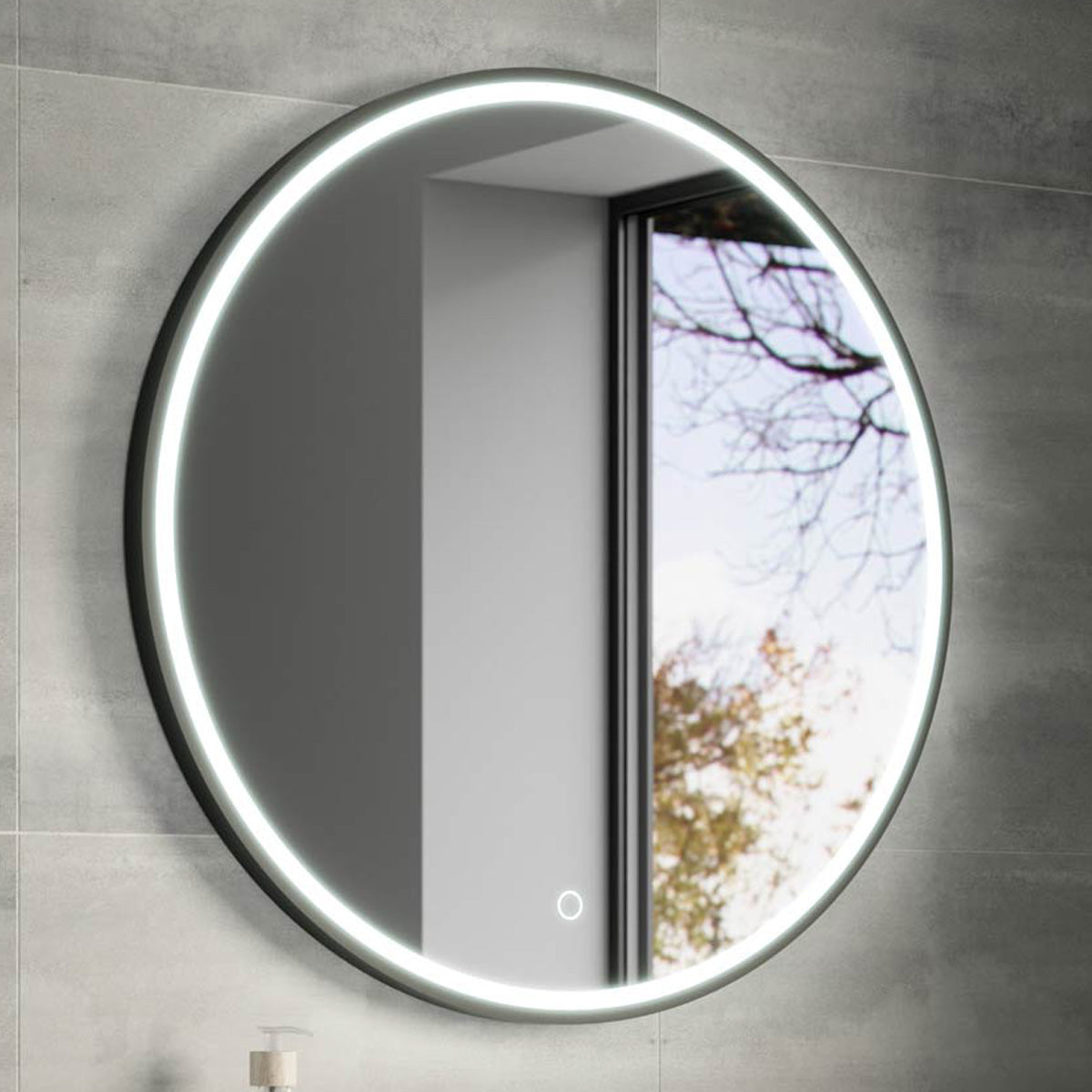




It is a fair question, and not one that gets answered honestly often enough. An illuminated bathroom mirror is a considered purchase — something you will look at every single day — so it makes sense to understand how long a quality product should last and what the difference is between one that goes the distance and one that does not.
The LED Lifespan: What the Numbers Mean
Most illuminated bathroom mirrors use LED light strips, and LEDs are rated by manufacturers at approximately 50,000 hours of operation. That figure deserves a moment of translation into real life.
If you use your bathroom mirror for one hour a day — which is a reasonable average for a busy household — 50,000 hours means roughly 137 years of use. Even at two hours a day, you are looking at nearly 70 years. In practice, the LED strip in a well-made mirror is almost never the thing that fails. You will more likely want a new mirror because your tastes or your bathroom has changed long before the LEDs give up.
That said, the rated lifespan is a guide to the quality of components, not a guarantee. The real question is not how long the LEDs are rated for — it is how well the rest of the mirror is built around them.
What Actually Affects How Long a Mirror Lasts
Build quality is the foundation. A mirror constructed with robust housing, properly fitted LEDs, and a well-sealed surround will outlast one built to a price. The difference is often invisible in a product photo but becomes obvious over three or four years of bathroom use.
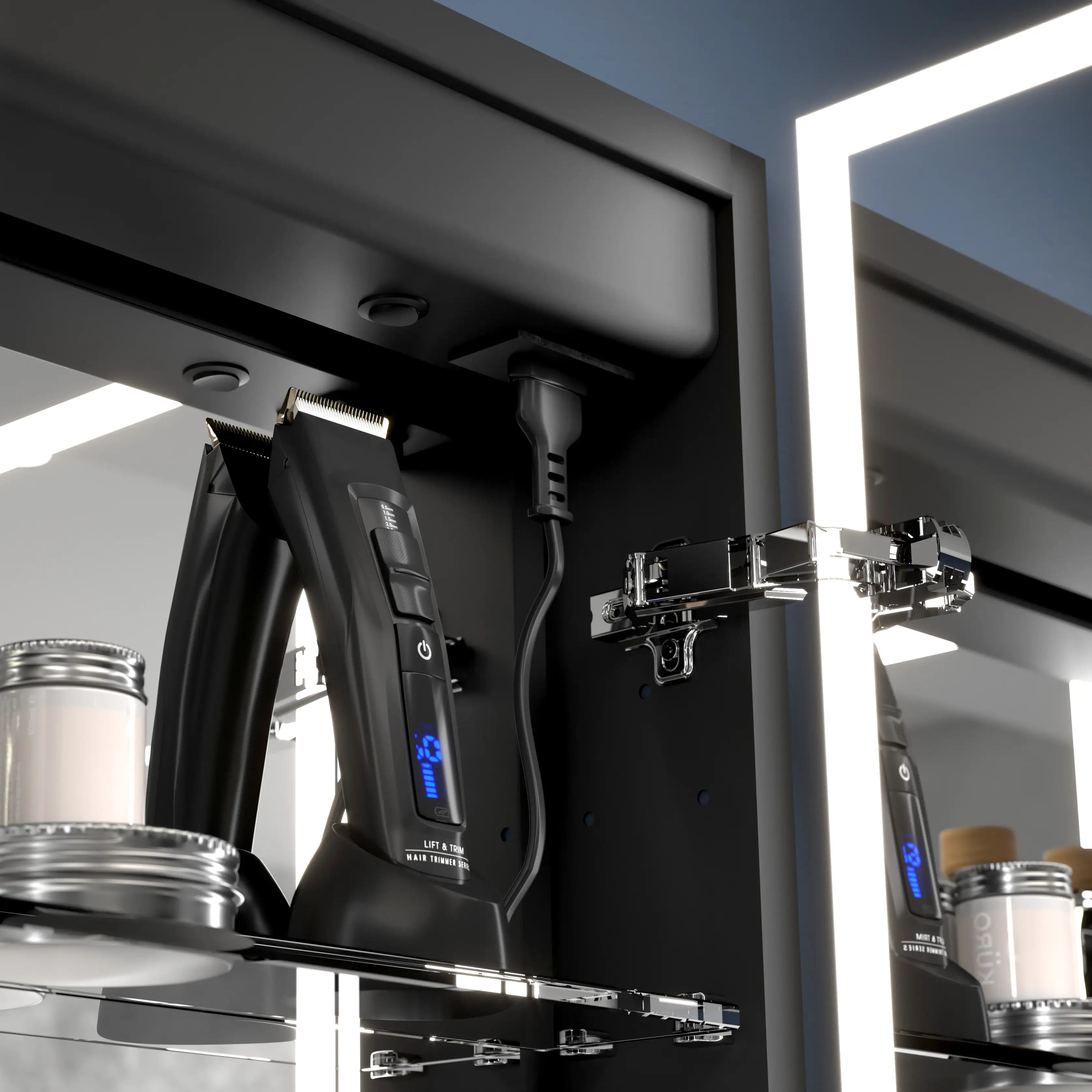
The LED driver is the component that converts mains power to the low-voltage DC supply that LEDs need. It is also the component most likely to fail on a cheaper mirror. A poor-quality driver will degrade, flicker, and eventually fail long before the LEDs themselves give out. Good drivers are rated for long lives and manage heat efficiently — in a quality mirror they run cool and stable for years.
Condensation resistance is critical in a bathroom environment. Every shower or bath produces moisture, and over time that moisture will find its way into any weak point in a product's construction. The IP rating on a mirror tells you how well it is sealed against moisture — IP44 is the standard minimum for bathroom use, offering protection against water splashes from any direction. A mirror with a lower rating, or one where the IP rating is not clearly stated, is a warning sign.
Heat management matters more than people expect. LEDs are efficient, but they do generate some heat, and that heat needs to go somewhere. A mirror that traps heat around the LED strip will degrade its components faster. Good mirrors are engineered with this in mind.
What Tends to Fail First on Cheaper Mirrors
The honest answer is usually the driver. A budget mirror might use LEDs that are rated at 50,000 hours but pair them with a driver rated for considerably fewer. When the driver fails — often within three to five years — the LEDs go dark and the whole mirror becomes useless. Replacing the driver in a wall-mounted mirror is rarely practical, so the mirror ends up in a skip.
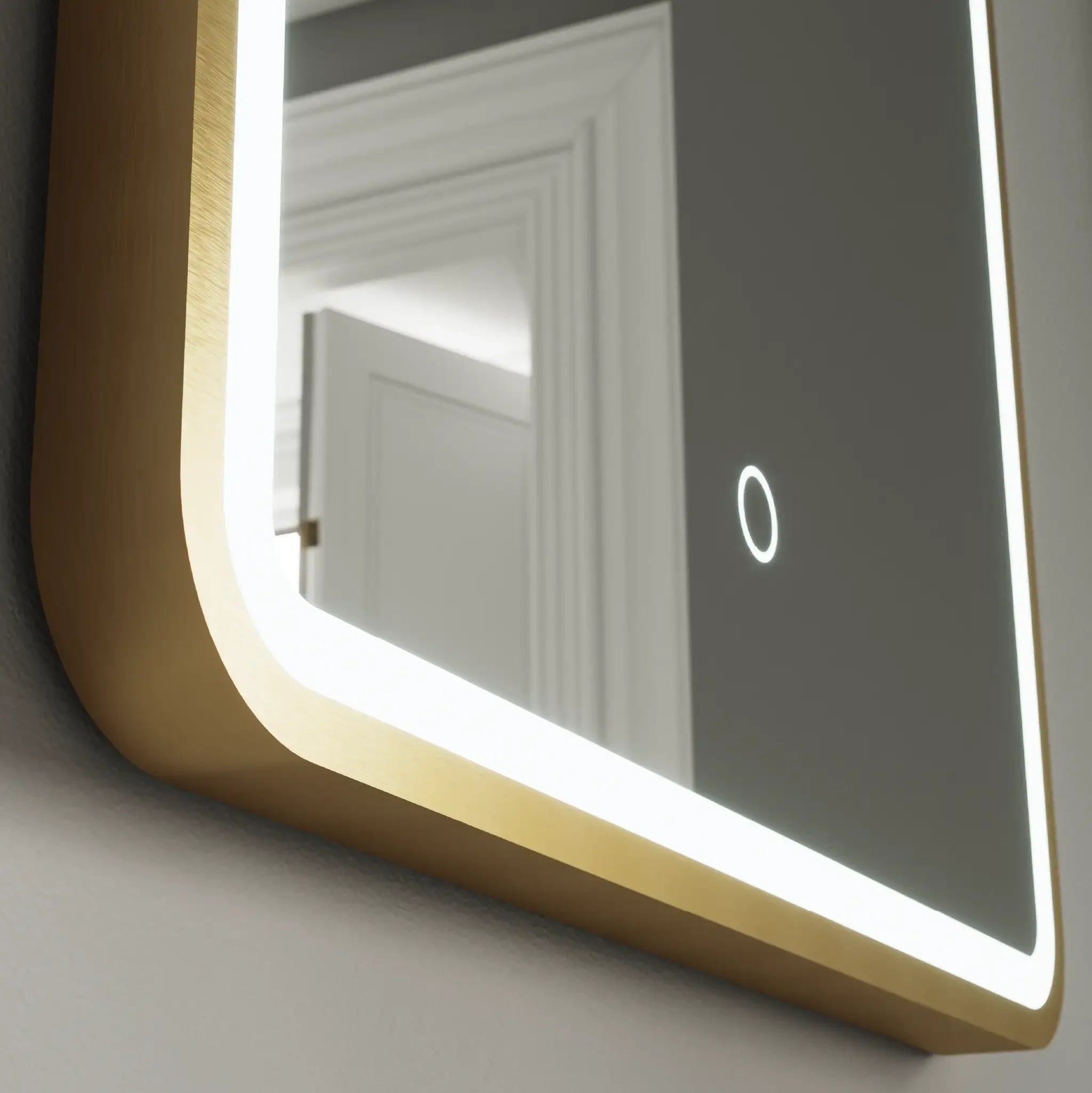
Touch sensors can also be a weak point on lower-quality products. Repeated exposure to humidity in a bathroom environment can cause sensor sensitivity to drift or fail entirely. Again, the quality of the component and its sealing makes the difference.
How to Make Your Mirror Last Longer
Ventilation is the most effective thing you can do. Running the bathroom extractor fan during and after showering reduces the sustained humidity that degrades electrical components over time. A bathroom that dries out quickly puts less stress on every electrical fitting in the room.
Cleaning the mirror face with a gentle, non-abrasive cloth and avoiding harsh chemical sprays near the edges and seals will also help. Most illuminated mirrors need nothing more than a damp cloth and occasional drying off — the same care you would give a quality piece of furniture.
The Guarantee as a Signal of Quality
A manufacturer's guarantee is not just a safety net. It is a statement about how confident they are in their product. A company that offers a ten-year guarantee has had to price and engineer their product to make that commitment sustainable. They cannot offer it on a mirror they expect to fail at year four.
Pebble Grey backs their illuminated mirrors with a ten-year guarantee — a commitment that reflects genuine confidence in the build quality of every product in the range. It is the kind of assurance that tells you far more than a marketing claim ever could.
The Case for Buying Once
It is tempting to save money on a bathroom mirror. The cheaper one looks similar in the photo, and the bathroom seems like an odd place to spend more than necessary. But a mirror that needs replacing in four years — with all the disruption of removing it, patching the wall, finding something similar, and paying an electrician — costs more in the long run than a quality product bought once and kept for decades.
The maths are not complicated. A well-made illuminated mirror, properly maintained, will still be doing its job long after everything else in the bathroom has been updated.
Explore the Pebble Grey collection — every mirror is built to last, backed by a ten-year guarantee, and designed to be the last mirror you need to buy.